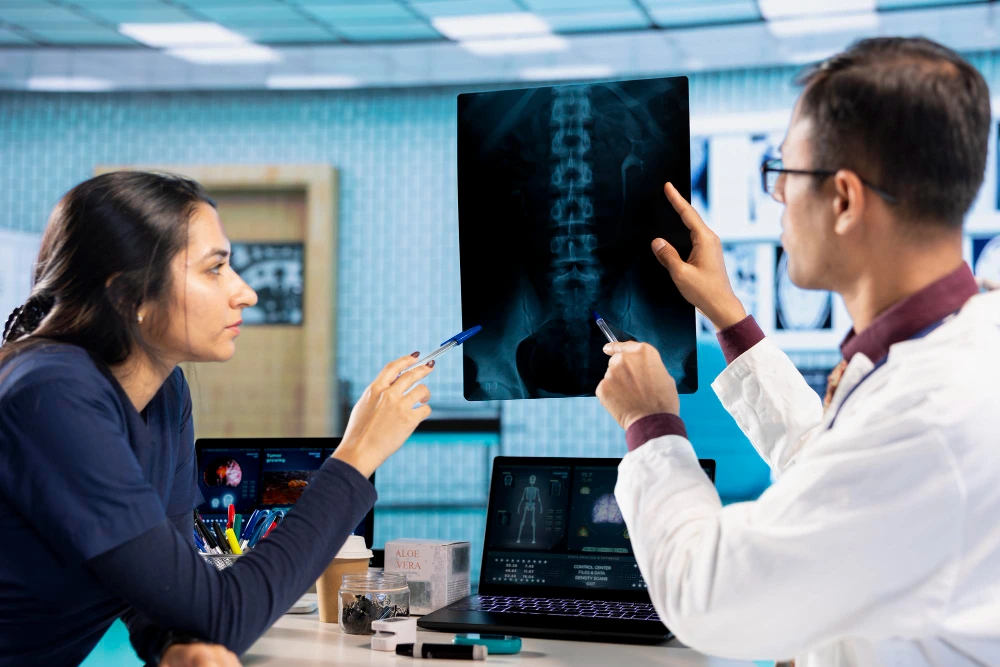
Best DEXA Scan Center in Calicut: Complete Guide to Bone Density Testing
Your Center is a reliable diagnostic center for patients searching for the Best DEXA Scan Center in Calicut, offering diagnostic services to support better bone health assessment. A DEXA scan (Dual-Energy X-ray Absorptiometry) is a specialised imaging test that measures bone mineral density (BMD) and helps identify conditions such as osteoporosis and osteopenia. It is one of the most effective methods for evaluating bone strength, detecting early bone loss and assessing the risk of fractures. Regular bone health assessment is particularly important for older adults, postmenopausal women and individuals with risk factors for osteoporosis.
Early detection of reduced bone density allows doctors to identify potential problems and recommend suitable treatment or preventive measures before serious complications develop. Accurate diagnostic imaging and reliable reporting also help healthcare professionals evaluate bone health, assess fracture risk and plan appropriate medical care.
What Is a DEXA Scan?
DEXA stands for Dual-Energy X-ray Absorptiometry. It is a specialised imaging procedure used to measure the amount of calcium and other minerals present in the bones. This measurement is known as Bone Mineral Density (BMD).
Unlike a conventional X-ray, which mainly produces images of bones and identifies visible abnormalities, a DEXA scan measures bone density with greater precision. It uses two low-dose X-ray beams with different energy levels to assess how much radiation is absorbed by the bone and surrounding soft tissue.
The examination commonly focuses on two important areas:
- Hip: Helps assess bone density in an area commonly affected by osteoporosis-related fractures.
- Lumbar Spine: Measures bone density in the lower back, where bone loss can occur with ageing and other medical conditions.
In certain cases, doctors may also recommend scanning other areas, such as the forearm.
DEXA scanning is widely recognised as the standard method for diagnosing osteoporosis through bone mineral density measurements. It helps doctors understand whether a patient's bones have normal density or show signs of reduced bone strength.
Why Is Bone Density Testing Important?
Bone loss often develops gradually without noticeable symptoms. Many people do not realise that their bones are becoming weaker until they experience a fracture following a minor fall or injury.
A bone density test in Calicut can help identify reduced bone density before serious complications occur.
Some important benefits of DEXA scanning include:
1. Early Detection of Bone Loss
DEXA scanning can identify reduced bone mineral density before symptoms appear. Early identification helps doctors recommend preventive measures and appropriate treatment.
2. Detection of Osteoporosis
Osteoporosis makes bones weaker and more likely to break. A DEXA scan helps diagnose osteoporosis by measuring bone mineral density and evaluating the T-score.
3. Assessment of Fracture Risk
Low bone density increases the possibility of fractures, particularly in the hip, spine and wrist. DEXA results help doctors assess bone health and estimate fracture risk alongside other clinical factors.
4. Monitoring Osteoporosis Treatment
Patients receiving treatment for osteoporosis may need follow-up bone density examinations. These scans help doctors monitor changes in bone density and evaluate treatment effectiveness.
5. Tracking Bone Health Over Time
Regular monitoring, when medically recommended, helps identify changes in bone mineral density. Comparing previous and current reports provides useful information about bone health over time.
Who Should Consider a DEXA Scan?
A DEXA scan is particularly useful for individuals who have an increased risk of osteoporosis or reduced bone density. Doctors recommend the examination based on age, medical history, medication use and individual risk factors.
The following groups may benefit from bone density testing:
- Women aged 65 and above: Bone loss becomes more common with ageing, making regular bone health assessment important.
- Men aged 70 and above: Older men can also experience reduced bone density and osteoporosis.
- Postmenopausal women: Reduced oestrogen levels after menopause can accelerate bone loss. Younger postmenopausal women with additional risk factors may also need testing.
- Individuals with previous fractures: People who have experienced fractures following minor falls or low-impact injuries may require bone density evaluation.
- People with a family history of osteoporosis: A family history, particularly a parental history of hip fracture, can increase osteoporosis risk.
- Individuals taking corticosteroids: Long-term use of steroid medications can contribute to bone loss.
- Patients with certain medical conditions: Conditions such as rheumatoid arthritis, thyroid disorders and chronic kidney disease may affect bone health.
According to the International Society for Clinical Densitometry (ISCD), bone density testing is recommended for women aged 65 and older and men aged 70 and older. Younger individuals may also require testing depending on their risk factors.
However, not everyone needs a DEXA scan at the same age or frequency. A doctor can determine whether the examination is necessary based on individual health requirements.
What Conditions Can a DEXA Scan Detect?
A DEXA scan helps identify reduced bone mineral density and supports the diagnosis and monitoring of osteoporosis-related conditions.
The main findings include:
Osteoporosis
Osteoporosis is a condition in which bones become weak, less dense and more susceptible to fractures. It is commonly associated with ageing, hormonal changes and certain medical conditions.
Because osteoporosis may not produce noticeable symptoms during its early stages, bone density testing plays an important role in identifying the condition.
Osteopenia
Osteopenia refers to bone mineral density that is lower than normal but not low enough to meet the diagnostic threshold for osteoporosis.
It indicates reduced bone density and may increase the risk of developing osteoporosis in the future.
Low Bone Mineral Density
A lower-than-expected bone mineral density measurement can indicate bone loss. Doctors evaluate these findings alongside age, medical history and other risk factors.
How Does a DEXA Scan Work?
A DEXA scan is a simple and generally comfortable procedure. It does not involve injections or surgical intervention. Most examinations take approximately 10–30 minutes, depending on the scanning requirements.
Here is what patients can expect during a DEXA scan at a diagnostic center.
Step 1: Registration and Preparation
After arriving at the diagnostic center, the patient completes the registration process. The diagnostic team may ask about medical history, previous fractures, medications and earlier bone density examinations.
Step 2: Positioning on the Scanning Table
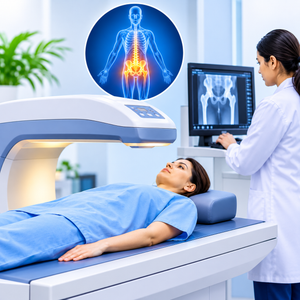
The patient lies comfortably on a padded scanning table. The technician helps position the body correctly to obtain accurate measurements.
Step 3: Scanning the Hip and Spine
The scanner moves over the body and uses two low-dose X-ray beams to measure bone mineral density. The hip and lumbar spine are commonly examined.
Patients need to remain still during the scan to ensure accurate results.
Step 4: Measuring Bone Mineral Density
The scanning system calculates bone mineral density based on the amount of X-ray energy absorbed by the bones.
The results are compared with standard reference values to determine whether bone density is normal or reduced.
Step 5: Image and Result Analysis
The collected measurements are reviewed and analysed by qualified professionals. The report generally includes bone mineral density values and relevant scores.
Step 6: Report Preparation
The final report is prepared for the referring doctor. The doctor interprets the findings along with the patient's medical history and determines whether further evaluation or treatment is necessary.
How to Prepare for a DEXA Scan
DEXA scanning usually requires minimal preparation. However, following a few simple instructions can help ensure a smooth examination.
Consider these preparation tips before your appointment:
- Wear comfortable clothing without metal zippers, buttons or accessories around the scanning area.
- Inform the diagnostic team if you have recently undergone examinations involving contrast materials, such as certain CT scans or nuclear medicine procedures.
- Inform the staff if you are pregnant or think you may be pregnant.
- Follow the diagnostic center's instructions regarding calcium supplements. You may be asked to avoid taking them for approximately 24 hours before the examination.
- Carry previous DEXA scan reports if you have undergone bone density testing earlier.
- Inform the technician about any recent fractures, surgeries or relevant medical conditions.
It is also advisable to confirm the preparation instructions with the diagnostic center before visiting.
Is a DEXA Scan Safe?
Yes. A DEXA scan is generally considered a safe procedure for eligible patients. It uses a very low dose of ionising radiation, making radiation exposure considerably lower than many conventional diagnostic imaging examinations.
Some important safety features include:
- Low radiation exposure: The procedure uses a small amount of X-ray radiation.
- Non-invasive examination: No injections, needles or surgical procedures are involved.
- Painless scanning: Patients generally do not experience pain or discomfort.
- No recovery period: Normal daily activities can usually be resumed immediately after the examination.
Although radiation exposure is low, patients who are pregnant or may be pregnant should inform the diagnostic team before the examination. The healthcare professional can assess whether the scan should be postponed or whether an alternative approach is appropriate.
DEXA scanning should be performed when medically indicated, following appropriate radiation safety practices.
DEXA Scan Cost in Calicut
The DEXA scan cost in Calicut may vary depending on the diagnostic center, examination coverage and services included in the testing process.
Several factors can influence the overall cost:
- Type of examination: The price may differ depending on whether the scan covers the hip, spine or other areas.
- Scanning technology: The equipment and technology available at the diagnostic center may influence pricing.
- Professional reporting: Reporting and interpretation services may form part of the overall examination cost.
- Additional services: Any additional diagnostic assessments requested by the doctor may affect the total charges.
Before booking a bone density test, patients should confirm the examination details and pricing with the diagnostic center.
How to Choose the Best DEXA Scan Center in Calicut
Choosing a reliable diagnostic center is an important part of obtaining accurate and useful bone density results. A good scanning facility should focus on appropriate equipment, professional handling, patient safety and clear reporting.
Here are some factors to consider when searching for the best DEXA scan center in Calicut.
1. Availability of Appropriate DEXA Equipment
Check whether the diagnostic center provides dedicated bone densitometry services using suitable DEXA technology. Appropriate equipment is important for obtaining reliable bone mineral density measurements.
2. Qualified Radiology Professionals
The scanning process requires proper patient positioning and technical expertise. Qualified professionals help ensure that the examination is performed correctly.
3. Accurate Imaging and Reporting
A useful DEXA report should provide clear bone mineral density measurements and relevant scores. Accurate reporting helps doctors make informed decisions about diagnosis and treatment.
4. Patient Safety and Radiation Protection
Choose a center that follows appropriate radiation safety practices and uses the lowest radiation exposure necessary to obtain diagnostic information.
5. Comfortable Scanning Facilities
A patient-friendly environment can make the examination more comfortable, particularly for senior citizens and individuals with mobility difficulties.
6. Clear Appointment Procedures
Convenient appointment scheduling and clear preparation instructions help patients plan their visits without unnecessary confusion.
7. Transparent Pricing
Always enquire about the total examination charges and what the service includes before confirming an appointment.
When comparing a bone density scanning center in Calicut, consider these factors rather than choosing a facility based only on price or location.
Why Choose Your Center for a DEXA Scan in Calicut?
If you are looking for a reliable DEXA scan in Calicut, Your Center offers Bone Mineral Density (BMD) testing to help patients assess their bone health and identify potential signs of osteoporosis.
Located in Eranjipalam, Kozhikode, Your Center provides diagnostic imaging services supported by modern imaging facilities and professional diagnostic care.
Here are some important reasons to consider Your Center for your bone density examination:
Dedicated Bone Densitometry Services
Your Center provides BMD (DEXA) scanning to measure bone mineral density and support the assessment of osteoporosis and fracture risk.
Professional Diagnostic Support
The diagnostic team helps patients understand the examination process and provides support throughout their visit.
Patient-Friendly Scanning Experience
The DEXA procedure is non-invasive, painless and generally quick, making it convenient for older adults and patients who require bone health assessment.
Reliable Diagnostic Reporting
Bone density measurements and reporting help referring doctors evaluate the patient's bone health and plan appropriate follow-up care.
Convenient Location in Calicut
Vee Pee Space Building, Wayanad Road, Eranjipalam, Calicut – 673020, Kerala.
Patients from Kozhikode and nearby areas can access diagnostic services at the Calicut branch.
Your Center also provides other diagnostic services, including Radiography (Digital X-Ray), MRI, CT, ultrasound and laboratory services.
If your doctor has recommended a bone density examination or you want to understand your osteoporosis risk, contact Your Center for information about DEXA scan appointments and current pricing.
Conclusion
Maintaining good bone health is essential for a healthy and active life. Since conditions like osteoporosis and osteopenia can develop without noticeable symptoms, timely bone density testing plays an important role in identifying bone loss and assessing fracture risk. A DEXA scan provides valuable information about bone mineral density, helping doctors diagnose bone-related conditions and recommend appropriate treatment and preventive care.
If you are looking for the Best DEXA Scan Center in Calicut, Your Center offers BMD (DEXA) scanning to support accurate bone health assessment and reliable diagnostic care. With patient-friendly services and convenient access to diagnostic facilities in Eranjipalam, Your Center aims to make bone density testing easier for patients in Kozhikode and nearby areas.
Whether you are a senior citizen, a postmenopausal woman or someone advised by a doctor to undergo bone density testing, contact Your Center to enquire about DEXA scan costs, appointments and preparation details. Take a proactive step towards understanding your bone health and maintaining a stronger, healthier future.
Frequently Asked Questions
1. Where can I get the best DEXA scan in Calicut?
Your Center offers Bone Mineral Density (BMD) testing using DEXA technology at its Eranjipalam branch in Calicut. Patients can contact Your Center to enquire about scan details, pricing and appointment availability.
2. Does Your Center offer bone density testing in Calicut?
Yes. Your Center provides BMD (DEXA) scanning to help assess bone mineral density and identify conditions such as osteoporosis and osteopenia.
3. What is the DEXA scan cost at Your Center in Calicut?
The DEXA scan cost may vary depending on the examination requirements and services included. Contact Your Center directly for the latest pricing and appointment details.
4. Is a DEXA scan available at Your Center without pain?
Yes. DEXA scanning is a painless and non-invasive procedure. Patients undergoing the examination at Your Center can expect a generally comfortable scanning process.
5. How long does a DEXA scan take at Your Center?
A DEXA scan generally takes around 10–30 minutes, depending on the examination requirements. Your Center can provide further information about the procedure when scheduling an appointment.
6. Who should undergo a DEXA scan?
Women aged 65 and above, men aged 70 and above, postmenopausal women with additional risk factors and individuals with a history of fractures may benefit from bone density testing. A doctor can recommend the scan based on individual health conditions.
7. Do I need a doctor's prescription for a DEXA scan at Your Center?
It is advisable to consult your doctor before undergoing a DEXA scan. You can contact Your Center to confirm the appointment requirements and whether a prescription is needed.
8. Can a DEXA scan detect osteoporosis at an early stage?
Yes. A DEXA scan can identify reduced bone mineral density before noticeable symptoms or fractures develop. Early detection helps doctors recommend suitable preventive measures and treatment.
9. Where is Your Center located in Calicut?
Your Center is located at Vee Pee Space Building, Wayanad Road, Eranjipalam, Calicut – 673020, Kerala. Patients from Kozhikode and nearby areas can contact the center for diagnostic service enquiries.
10. How can I book a DEXA scan appointment at Your Center?
You can contact Your Center through its official website or phone numbers to enquire about DEXA scan appointments, current charges and preparation instructions.