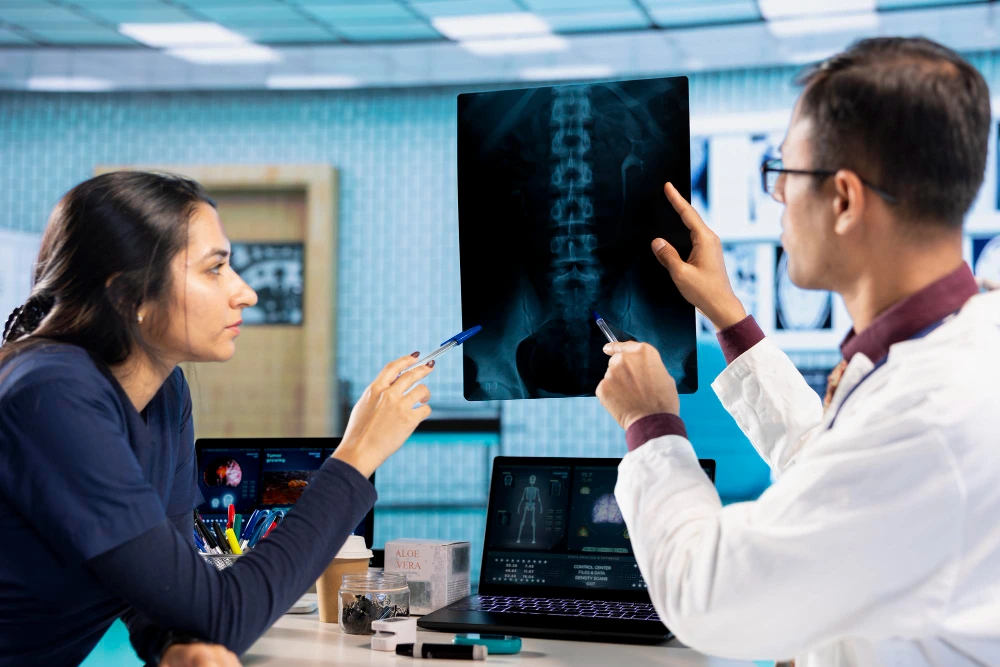
Best Radiography Center in Calicut: How to Choose the Right Diagnostic Centre
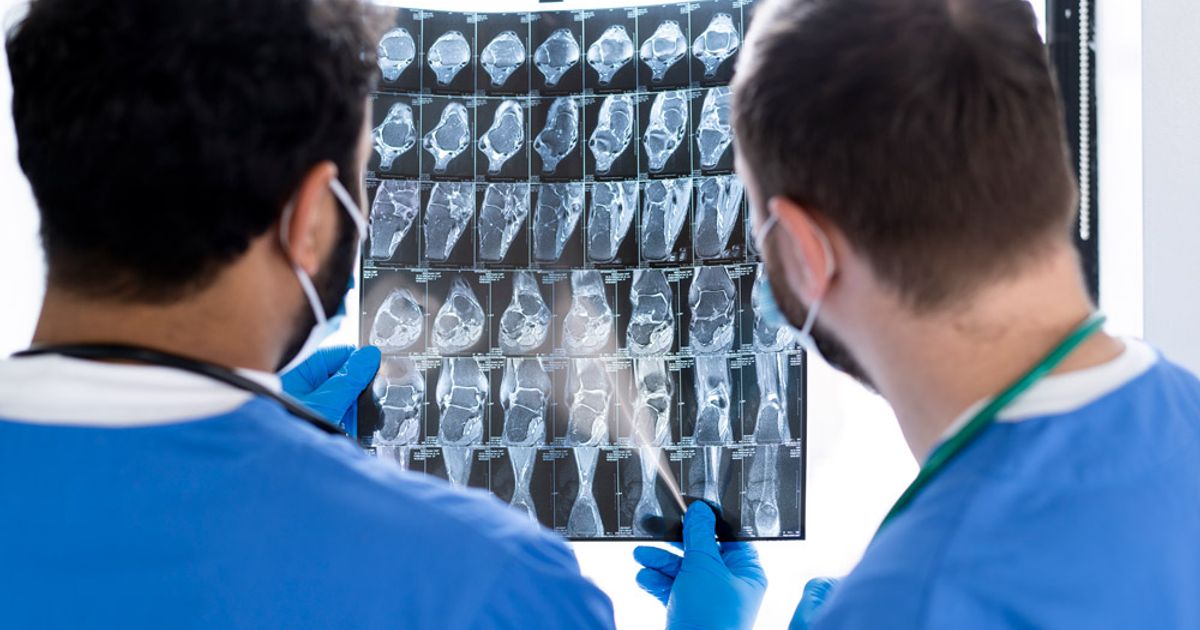
Choosing the Best Radiography Center in Calicut involves more than comparing prices or selecting the nearest facility. Your Center understands the importance of helping patients make informed decisions when looking for reliable radiography and diagnostic imaging services in Calicut (Kozhikode), Kerala. Before choosing a diagnostic centre, patients should consider the availability of suitable imaging equipment, qualified radiology professionals, radiation-safety practices, image quality, clear reporting, transparent charges, and convenient access.
For people searching for a Diagnostic center in Calicut, these factors can help them choose a facility that meets their imaging needs and follows the referring clinician's recommendations. Before booking with Your Center, confirm the specific radiography services available, appointment arrangements, preparation instructions, and report collection options.
Here explains what radiography involves, how to evaluate an X-ray facility, what to expect during an examination, and which questions to ask before choosing a diagnostic centre.
What Is Radiography and Why Is It Important?
Radiography is an essential diagnostic imaging technique that uses X-rays to capture images of the internal structures of the body. It helps healthcare professionals examine bones, joints, the chest, and other areas to identify possible abnormalities. X-rays pass through body tissues in different amounts, creating images in which bones usually appear lighter than surrounding soft tissues.
For patients searching for the Best Radiography Center in Calicut, understanding the role of radiography can help them make informed decisions about their healthcare. Doctors may recommend an X-ray to investigate symptoms, assess an injury, identify certain medical conditions, or monitor changes during treatment. The resulting images help clinicians evaluate a patient's condition and decide whether further investigations or treatment may be necessary.
Common Types of X-Ray Examinations
The types of radiography services available depend on the diagnostic centre's equipment and facilities. Common examinations include:
- Chest X-rays: Used to examine the lungs, heart size, and certain conditions affecting the chest.
- Bone X-rays: Help identify many fractures, assess bone alignment, and detect certain bone abnormalities.
- Joint X-rays: Help evaluate joint alignment, injuries, and changes associated with some joint conditions.
- Spine X-rays: May be recommended to assess spinal alignment and selected conditions affecting the vertebrae.
- Dental X-rays: Help dental professionals examine teeth, roots, and surrounding structures when suitable dental imaging equipment is available.
How Is Radiography Different from Other Imaging Tests?
Although radiography is widely used in medical diagnosis, it is not the only available imaging method. Different procedures use different technologies and are selected according to the patient's symptoms and clinical requirements.
- X-ray radiography: Uses ionising radiation to produce images, particularly of bones and the chest.
- Ultrasound: Uses sound waves to create images of internal organs, soft tissues, and other structures.
- CT scanning: Uses X-rays and computer processing to create detailed cross-sectional images.
- MRI scanning: Uses magnetic fields and radio waves to produce detailed images of various internal structures.
Each imaging technique has specific advantages and limitations. An X-ray may be appropriate for evaluating a suspected fracture, while another imaging method may be more suitable for certain soft-tissue injuries or other medical conditions.
The most appropriate diagnostic examination depends on the patient's symptoms, medical history, and the referring doctor's advice. Not every health concern requires an X-ray, and patients should consult a qualified healthcare professional before deciding which imaging test to undergo.
How to Choose the Best Radiography Center in Calicut
When comparing facilities, look beyond convenience and advertising. The following criteria can help patients identify a suitable X-ray scanning center in Calicut.
1. Check the Available Equipment and Technology
Ask whether the centre offers digital X-ray services and whether its equipment is appropriate for the examination you need.
Digital systems capture images electronically, which can simplify image viewing, storage, and sharing. However, equipment type alone does not establish the quality of a diagnostic service. Proper equipment maintenance, suitable examination techniques, and professional interpretation also matter.
2. Verify Professional Qualifications
Radiography involves both technical image acquisition and, where applicable, interpretation by an appropriately qualified medical professional.
Check whether trained radiographers or radiologic technologists perform the examinations and whether qualified radiologists or other appropriately authorised medical practitioners are responsible for reporting, as applicable.
A trustworthy centre should be able to explain who performs the examination and how the report is prepared.
3. Prioritise Radiation Safety
A good centre should follow appropriate radiation-protection procedures and use examination techniques suited to the patient's needs.
Look for clear instructions, appropriate positioning, equipment quality assurance, and attention to radiation-dose optimisation, especially for children.
The objective is to obtain diagnostically useful images while keeping radiation exposure as low as reasonably achievable.
4. Ask About Reports and Image Access
Before your appointment, confirm:
How and when the report is expected to be available.
Whether images are provided digitally or in another format.
How reports and images can be collected or shared.
Whether the referring clinician can access the results when needed.
Reporting arrangements vary by centre and examination. Avoid assuming that every facility provides immediate reports.
5. Consider Location and Accessibility
A conveniently located Diagnostic imaging center in Calicut may be helpful for older adults, people with mobility difficulties, and patients who need follow-up examinations.
Consider travel time, parking or public transport access, appointment availability, and whether the facility can accommodate your specific needs.
6. Compare Pricing Transparently
Ask for the total charge for the required examination, including any applicable reporting or additional-view charges. The lowest advertised price is not necessarily the best overall value.
A reliable facility should explain its pricing policy and help you understand what is included.
What Services Should a Good Radiography Centre Offer?
A reliable radiography centre should provide suitable imaging services to help doctors assess medical conditions, investigate injuries, and make informed treatment decisions. When choosing a Diagnostic center in Calicut, patients should check whether the facility offers the required X-ray examination, uses appropriate imaging equipment, and follows established patient-safety procedures.
Essential Radiography Services to Look For:
Depending on the centre's facilities and clinical capabilities, commonly available radiography services may include:
Digital X-ray Services: Digital technology captures radiographic images electronically, allowing them to be viewed and stored digitally. These systems can also support convenient image sharing where suitable arrangements are available.
Chest X-ray Examinations: Doctors may recommend chest imaging to investigate certain respiratory symptoms, assess the lungs, or evaluate other chest-related conditions.
Bone X-ray Services: These examinations help identify many fractures, assess bone alignment, and investigate selected bone abnormalities.
Joint X-ray Examinations: Imaging can help evaluate joint injuries, alignment, and certain changes associated with joint conditions.
X-rays for Injury Assessment: When clinically indicated, X-rays can help doctors assess injuries following accidents, falls, or sports-related incidents.
Specialised Radiographic Examinations: Some facilities provide additional examinations depending on their equipment, trained personnel, and approved scope of services.
The availability of these examinations varies between diagnostic centres. For example, dental X-rays generally require appropriate dental imaging equipment and may not be available at every general radiography facility.
How to Confirm the Right Services Before Booking
If you are looking for the Best radiography center in Kozhikode, make sure the facility can perform the exact examination recommended by your doctor. You should also ask about appointment requirements, preparation instructions, report availability, and the total examination cost.
When considering Your Center, contact the facility directly to confirm its current X-ray services, available equipment, and appointment arrangements. Verifying these details before visiting can help you avoid unnecessary delays and ensure that the centre is suitable for your diagnostic needs.
Ultimately, a good radiography centre should combine appropriate imaging facilities, trained professionals, radiation-safety practices, and clear communication to support a smooth and informed patient experience.
What to Expect During an X-Ray Examination
If you have been advised to have an X-ray, the process is usually straightforward.
Step 1: Follow Medical Advice
Have the appropriate referral or medical advice when required. The type of X-ray should be based on your clinical need.
Step 2: Check Preparation Instructions
Ask the diagnostic centre whether any preparation is necessary. Preparation varies depending on the examination.
Step 3: Inform the Staff About Pregnancy
Tell the radiographer if you are pregnant or think you could be pregnant. This allows the healthcare team to consider the clinical situation and appropriate radiation-protection measures.
Step 4: Follow Positioning Instructions
The radiographer may ask you to stand, sit, or lie in a particular position. You may also be asked to remain still or briefly hold your breath for certain examinations.
Step 5: Image Capture
The X-ray images are captured using the appropriate equipment and technique. Routine X-rays are generally quick, although the total visit may take longer because of registration, positioning, and reporting.
Step 6: Reporting
The images are reviewed and interpreted according to the centre's reporting process.
Step 7: Discuss the Result With Your Doctor
An X-ray report should be considered together with your symptoms, examination findings, medical history, and other investigations. Your referring doctor can explain what the findings mean for your treatment.
Is Radiography Safe?
Yes, medically indicated X-rays are generally considered safe when performed appropriately, but they are not completely risk-free because X-rays use ionizing radiation.
Ionizing radiation can cause biological effects, and the potential risk generally increases with radiation dose. At the same time, medical imaging can provide important benefits when it is clinically justified.
For this reason, radiography should be performed when the expected medical benefit justifies the exposure, using appropriate techniques to minimize unnecessary radiation.
Important safety considerations include:
- Informing staff about possible pregnancy.
- Following positioning instructions carefully.
- Avoiding unnecessary repeat examinations.
- Using appropriate examination protocols.
- Paying particular attention to dose optimization for children.
- Keeping previous imaging records available when relevant.
Children can be more sensitive to radiation than adults, so radiation-protection principles are particularly important when imaging pediatric patients.
The goal is not to avoid every X-ray, but to ensure that medically necessary examinations are performed appropriately and safely.
How Much Does an X-Ray Cost in Calicut?
The cost of an X-ray can vary depending on several factors, including:
- The body part being examined
- Number of views required
- Type of examination
- Imaging technology
- Facility pricing
- Whether additional imaging is required
Because prices can change, patients should confirm the current charge directly with the diagnostic centre rather than relying on an old online price.
For current pricing and availability, you can contact Your Center Calicut directly through its official contact details.
Digital X-Ray vs Traditional X-Ray
Digital X-ray and traditional film X-ray are diagnostic imaging methods used to produce images of structures inside the body. Although both use X-rays, they differ in how images are captured, processed, stored, and shared. Digital radiography uses electronic detectors to capture images, which can then be processed and viewed through computer-based systems. Traditional film X-ray, on the other hand, uses photographic film that requires chemical processing before the image can be viewed. Digital X-ray offers practical advantages such as faster image availability, convenient electronic storage, easier image retrieval, and simplified sharing when compatible systems are available. Traditional X-ray requires physical film storage and additional handling, which can make managing and sharing records less convenient. However, radiation exposure depends on the equipment, examination type, imaging technique, and individual patient factors rather than simply whether the system is digital or film-based.
Digital radiography can improve the overall imaging workflow by allowing images to be accessed and managed electronically. These features can help healthcare professionals review images and share them with other medical professionals when necessary. Digital systems may also provide image-display tools that assist with viewing relevant details. However, digital technology alone does not guarantee a more accurate diagnosis. Diagnostic quality depends on appropriate examination selection, correct patient positioning, suitable imaging techniques, equipment performance, image quality, and interpretation by qualified professionals.
Does Digital X-Ray Use Less Radiation?
Digital X-ray does not automatically guarantee lower radiation exposure in every examination. The amount of radiation depends on factors such as the body part being examined, the equipment used, exposure settings, imaging protocol, and patient characteristics. The main objective of radiation safety is to obtain an image that provides sufficient information for medical evaluation while minimizing unnecessary exposure. Appropriate examination selection, optimized imaging techniques, proper positioning, and trained radiography professionals all contribute to this goal. Patients should inform the healthcare team if they are pregnant or suspect they may be pregnant so that the clinical need and appropriate precautions can be considered.
Why Choose Digital X-Ray Services?
Digital X-ray can offer greater convenience through electronic image processing, storage, retrieval, and sharing. These features may help reduce delays associated with film processing and make diagnostic records easier to manage. Nevertheless, patients choosing digital X-ray services in Calicut should consider more than the technology alone. The centre's equipment, staff qualifications, radiation-safety practices, reporting arrangements, and availability of the required examination are also important factors when selecting a reliable diagnostic facility.
Digital X-Ray Services at Your Center
Your Center in Calicut offers digital X-ray services for areas including bones, chest, and joints. Patients looking for a reliable diagnostic imaging centre should confirm whether their prescribed examination is available and ask about preparation instructions, current charges, appointment arrangements, and report collection. Choosing an appropriate diagnostic centre helps patients access the imaging services they need while ensuring that their examination is performed according to suitable clinical and radiation-safety practices.
Why Consider Your Center for Diagnostic Services in Calicut?
When evaluating Your Center, patients should confirm the services available and how the facility manages appointments, imaging, and reports. These details help determine whether the centre meets their individual diagnostic needs.
Before booking, ask Your Center about:
Available examinations: Whether the required X-ray or radiography procedure is currently offered.
Equipment: The type of imaging technology used for the requested examination.
Professional team: The qualifications of the staff performing imaging and the professionals responsible for reporting.
Radiation safety: The precautions and dose-optimisation practices followed by the facility.
Appointments: Whether advance booking is needed or walk-in visits are accepted.
Reports and images: The expected reporting arrangements and available collection methods.
Location and charges: The exact address, current operating hours, and total cost of the examination.
These details should be verified through Your Center's official website or directly with its staff before publication or booking. Specific equipment, staffing credentials, operating hours, and turnaround times should not be assumed without confirmation.
Planning an X-ray examination? Contact Your Center to confirm whether your required service is available, ask about preparation instructions and current charges, and arrange an appointment if needed. Carry your referral and previous imaging records when relevant.
Common Mistakes to Avoid When Choosing a Radiography Centre
Patients can make more informed decisions by avoiding these common mistakes:
Choosing only by price: Compare service quality, safety practices, reporting arrangements, and total charges.
Ignoring radiation safety: Ask whether the facility follows appropriate radiation-protection procedures.
Failing to check service availability: Confirm that the exact examination on your referral can be performed.
Overlooking report collection: Understand how the report and images will reach you and your clinician.
Assuming every X-ray requires the same preparation: Instructions can vary by examination, so check in advance.
Ignoring the referring doctor's advice: Do not substitute a different examination based only on convenience or price.
Trusting unsupported accuracy claims: No centre can responsibly guarantee that every examination will provide a definitive diagnosis. Results depend on the condition, image quality, and clinical context.
Failing to mention pregnancy or previous imaging: Relevant information helps the healthcare team make safer, better-informed decisions.
Conclusion:
Finding the Best Radiography Center in Calicut means choosing a facility that combines appropriate imaging technology, qualified professionals, radiation-safety practices, clear reporting arrangements, transparent pricing, and convenient access.
Whether you need a chest X-ray, bone imaging, joint imaging, or another radiographic examination, confirm that the service is available and follow your clinician's recommendations. Ask questions about preparation, reporting, and costs before your visit.
For patients exploring diagnostic services in Calicut and Kozhikode, Your Center can be contacted to verify available examinations and appointment arrangements.
Contact Your Center today to enquire about radiography services, confirm current charges, and plan your diagnostic visit. Choose an imaging facility based on verified information and your healthcare needs, not promotional claims alone.
FAQs
1. How do I find the best radiography center in Calicut?
Look for a facility that offers your required examination, follows radiation-safety practices, uses appropriate equipment, provides access to qualified professionals, and explains its pricing and reporting arrangements. Confirm these details before booking.
2. Which is the best radiography center in Kozhikode for an X-ray?
The most suitable centre depends on your examination, location, budget, and reporting needs. Compare verified service information and confirm that the facility can perform the examination recommended by your clinician.
3. Do I need a doctor's referral for an X-ray?
Referral requirements vary by examination and facility. Follow your clinician's advice and check the diagnostic centre's requirements before visiting. Medical imaging should be appropriately justified.
4. Are digital X-rays safer than traditional X-rays?
Not necessarily. Digital systems can improve image handling and workflow, but radiation dose depends on the equipment, technique, examination, and patient factors. Appropriate dose optimisation is important with either system.
5. How long does an X-ray examination take?
Many routine X-ray examinations are completed quickly, but registration, positioning, waiting, and reporting can extend the visit. Ask the centre about its current arrangements for your specific examination.
6. Can I get an X-ray without an appointment?
Some facilities accept walk-in patients, while others require advance booking for particular examinations. Contact the centre to confirm its policy and current availability.
7. What is the cost of an X-ray in Calicut?
Charges depend on the body part, number of views, examination type, and facility. Contact the chosen centre for its current price rather than relying on an unverified estimate.
8. How can I check X-ray availability at Your Center?
Contact Your Center directly through its verified official contact channels. Ask whether the required examination is available, whether an appointment or referral is needed, what preparation is required, and when the report can be collected.