Best Scanning Center in Calicut: How to Choose the Right Diagnostic Centre
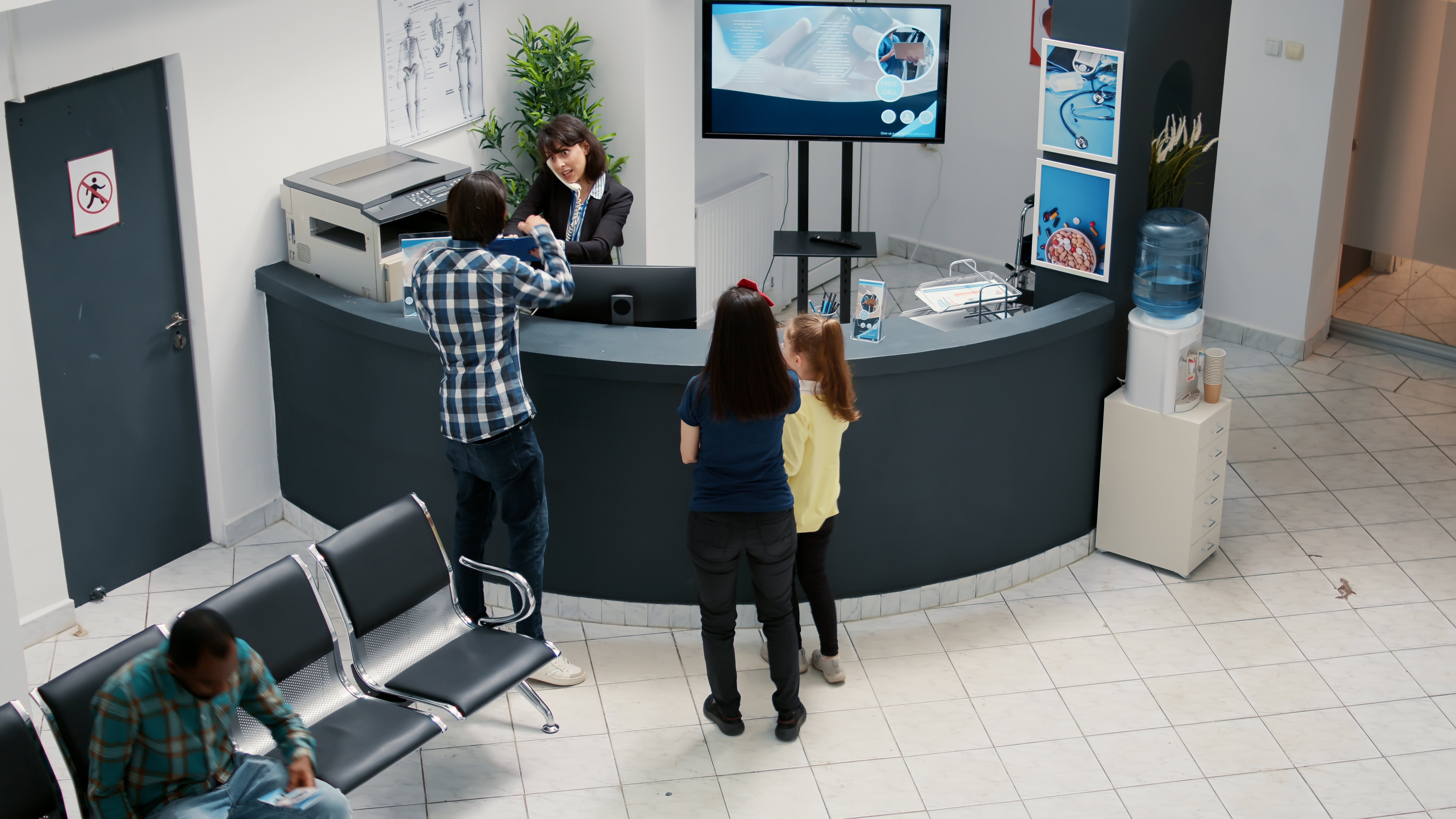
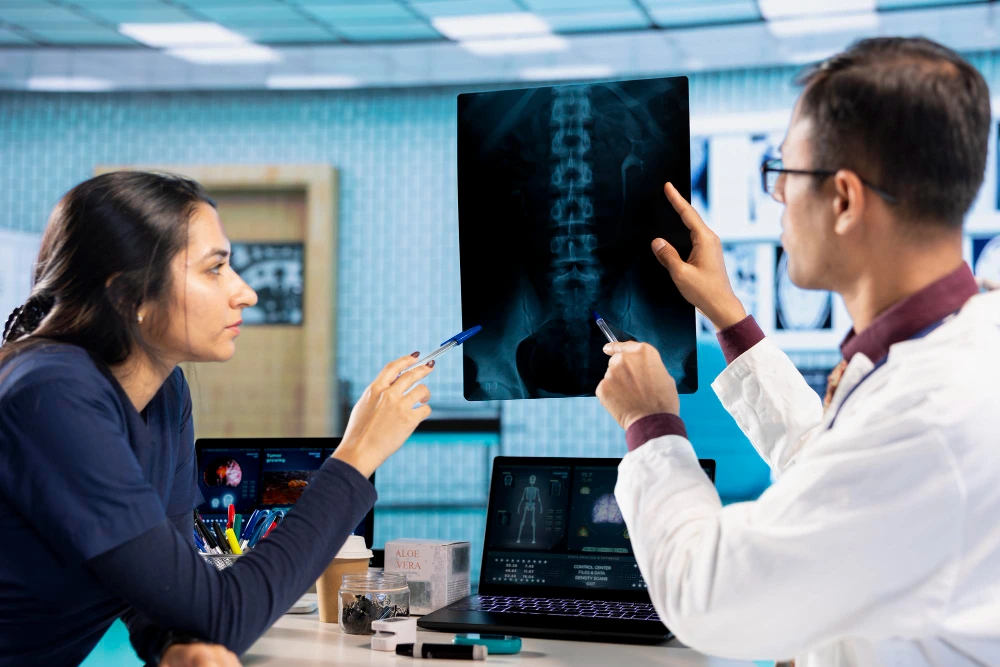
Choosing the right diagnostic centre is an important step in managing your health. Your Center, a trusted name for diagnostic care, helps patients understand the importance of choosing a suitable facility for their medical imaging needs. Whether your doctor recommends an X-ray, ultrasound, CT scan, or MRI scan, selecting the right centre can help you complete the examination comfortably and receive your reports in a timely manner. If you are searching for the Best Scanning Center in Calicut, it is important to look beyond location and price. Equipment quality, qualified professionals, safety measures, patient care, and clear reporting procedures also matter.
Before choosing a scanning centre in Kozhikode, patients and families should check whether the required scan is available, understand the preparation instructions, and confirm the cost and expected report delivery time. These simple steps can make the diagnostic process easier and help patients follow their doctor's recommendations with confidence.
What Should You Look for in a Reliable Scanning Centre?
The quality of a diagnostic centre depends on several factors, not just the availability of scanning equipment. A good centre should provide appropriate technology, trained professionals, proper safety practices, hygienic facilities, and clear information throughout the patient's visit.
When comparing a best diagnostic center in Calicut, consider these important points:
- Qualified medical professionals: Check whether trained and appropriately qualified professionals are involved in conducting and reporting the examination.
- Modern and suitable equipment: The centre should have imaging equipment suitable for the required examination and maintain it according to applicable standards.
- Safety practices: Staff should collect relevant medical information and explain important precautions before the scan.
- Clean environment: Scan rooms, equipment, waiting areas, and other patient facilities should be maintained in a clean and hygienic condition.
- Easy communication: Patients should receive clear information about appointments, preparation, procedures, and report collection.
- Transparent charges: Ask for the complete cost beforehand and clarify whether additional services or materials involve extra charges.
- Reliable reporting: Find out how long the report may take and whether reports and images are available digitally or in person.
Patients can also ask whether the centre maintains the registrations, approvals, professional credentials, and safety measures applicable to the diagnostic services it provides.
Common Types of Diagnostic Imaging
Diagnostic imaging helps doctors examine different parts of the body without surgical procedures. Each scanning method works differently, so the choice of examination depends on the patient's symptoms, medical history, and the doctor's clinical recommendation.
X-Ray
X-ray imaging is commonly used to examine bones, joints, and certain areas of the chest. It can help healthcare professionals assess conditions such as fractures, injuries, and some chest-related abnormalities.
Ultrasound Scan
An ultrasound scan creates images using high-frequency sound waves. It can be used to examine organs and soft tissues in areas such as the abdomen and pelvis and is also commonly used in pregnancy care. The type of ultrasound depends on what the doctor needs to evaluate.
CT Scan
A CT or computed tomography scan combines X-ray images with computer processing to produce detailed cross-sectional views of the body. Depending on the clinical requirement, CT imaging may be used to assess organs, bones, blood vessels, injuries, and other conditions. Some CT examinations may require a contrast agent.
MRI Scan
MRI, or magnetic resonance imaging, produces detailed images using magnetic fields and radio waves. It is particularly useful for examining soft tissues, joints, organs, and other structures. Since MRI involves a strong magnetic field, patients should inform the scanning team about implants, pacemakers, medical devices, metal fragments, or other relevant concerns before entering the MRI area.
Other Imaging Procedures
The range of imaging services differs between diagnostic centres. If your doctor has recommended a specific examination, contact the facility beforehand to confirm whether that procedure is available and whether any special preparation is required.
Remember: A scan is an important diagnostic tool, but the images or findings should not be considered a diagnosis by themselves. A qualified doctor or appropriate medical professional should interpret the findings together with the patient's symptoms, medical history, and other test results.
How to Choose the Best Scanning Center in Calicut
Selecting a diagnostic centre is easier when you know what to check before making an appointment. The right facility should offer the scan recommended by your doctor, follow appropriate safety practices, provide clear instructions, and make the overall process convenient for patients.
1. Make Sure the Required Scan Is Available
Start by checking whether the centre provides the exact examination mentioned in your prescription. A diagnostic centre may offer X-rays or ultrasound but may not provide every type of CT or MRI examination. If your doctor has recommended a specialised scan, confirm its availability before visiting.
2. Look at Professional Expertise
The people involved in your examination play an important role in diagnostic imaging. Ask whether appropriately qualified radiologists, radiographers, sonographers, or other relevant professionals are involved in performing and reporting the scan. The professionals involved can differ depending on the type of examination.
3. Check Appointment Availability
Ask about available appointment slots and the expected waiting time. It is also useful to know approximately how long the examination itself may take. If the scan has been recommended urgently, inform the centre when making the appointment so they can explain the available options.
4. Ask About Scan Preparation
Preparation can vary considerably between examinations. Some scans may require fasting, while others may involve specific clothing or other instructions. If contrast material or another additional procedure is required, there may be further preparation. Always follow the instructions given by your doctor or the diagnostic centre.
5. Understand the Complete Cost
Price is an important consideration, but patients should understand exactly what they are paying for. Before confirming an appointment, ask whether the quoted amount includes the imaging procedure, professional reporting, contrast material where applicable, and copies of images or reports. Knowing the complete cost beforehand can help avoid unexpected expenses.
6. Find Out When You Will Receive the Report
Reporting time can differ depending on the examination and the centre's workflow. Ask when you can expect the report and whether it will be provided through an online portal, email, messaging service, or physical collection. If you need the report for a follow-up consultation, mention this while booking.
7. Consider Convenience and Patient Support
Location can be especially important for elderly patients, people with mobility difficulties, children, and those who may need repeated visits. Consider accessibility, parking or transport options, waiting facilities, and the availability of staff to assist patients. A convenient location can make the diagnostic process easier for both patients and their families.
8. Pay Attention to Safety and Credentials
Before choosing a medical scanning center in Calicut, consider whether it follows the safety requirements applicable to its imaging services. X-ray and CT procedures involve radiation, so appropriate radiation-safety practices are important. MRI facilities require specific safety screening because of the strong magnetic field. Patients should also feel comfortable asking about relevant registrations, professional qualifications, and safety procedures.
A Simple Way to Compare Diagnostic Centres
Rather than choosing a centre based only on price or distance, compare the facility across these areas: scan availability, professional expertise, equipment, safety, preparation requirements, total cost, report delivery, accessibility, and patient support. This gives you a clearer picture of whether the centre is suitable for your particular diagnostic needs.
Diagnostic Centre Comparison Checklist
Choosing a diagnostic centre should involve more than comparing prices or selecting the nearest facility. Patients should consider several factors that can affect the safety, convenience, and overall quality of their diagnostic experience.
When choosing a diagnostic centre, the first thing to check is scan availability. Make sure the centre provides the exact X-ray, ultrasound, CT scan, MRI scan, or other examination recommended by your doctor. It is also important to consider professional expertise. Check whether appropriately qualified radiologists, radiographers, sonographers, or other relevant healthcare professionals are involved in conducting and reporting the examination.
The equipment and technology used by the centre are also important considerations. Patients can ask whether the facility has suitable imaging equipment for the required examination and whether the equipment is appropriately maintained. Along with technology, safety and hygiene should be given importance. The centre should follow relevant safety procedures, maintain clean examination areas, and provide precautions appropriate to procedures such as X-ray, CT, MRI, and ultrasound.
Patients should also check appointment availability and waiting time before visiting. Ask whether an appointment is required, how long you may need to wait, and approximately how long the examination will take. Pricing transparency is another important factor. Before booking, ask for the complete cost and clarify whether the quoted amount includes the report, contrast material where applicable, image copies, or any other required services.
It is equally useful to understand the report delivery process. Ask when the report is expected and whether it will be provided digitally, online, by email, or through physical collection. Location and accessibility should also be considered, particularly for elderly patients, people with mobility difficulties, and families who may need to return for follow-up visits. Finally, look at the level of patient support provided. Clear preparation instructions, helpful communication, and assistance before, during, and after the examination can make the diagnostic experience more convenient and comfortable.
Considering all these factors together can help patients choose a diagnostic centre that suits their medical requirements, practical needs, and budget.
What Should You Prioritise?
A suitable diagnostic centre should ideally provide a balance of professional expertise, appropriate equipment, safety, transparent pricing, convenient access, and reliable reporting. No single factor should be considered in isolation.
For example, a centre may be close to your home, but if it does not provide the scan prescribed by your doctor, you may need to visit another facility. Similarly, choosing a centre only because it offers a lower price may not provide enough information about preparation, reporting, safety procedures, or what is included in the quoted fee.
Before booking your appointment, compare these factors and ask questions whenever something is unclear. This can help you choose a diagnostic centre that matches your medical requirements, practical needs, and budget while making the scanning process more comfortable and organised.
Why Location and Accessibility Matter
A conveniently located scanning centre in Calicut (Kozhikode) can make diagnostic visits easier, especially for elderly people, patients with mobility difficulties, and families travelling with children.
A nearby diagnostic centre may reduce travel time, simplify follow-up visits, and make it easier to coordinate appointments with consultations at other healthcare facilities. However, location should not be the only deciding factor. Patients should also consider the required service, professional qualifications, safety procedures, reporting arrangements, and total cost.
If you are searching online for a diagnostic center near me, verify the exact address, appointment availability, and travel arrangements before leaving home. This is particularly useful when the examination requires fasting or when the patient needs assistance.
Preparing for Your Diagnostic Scan
Preparation depends on the type of scan and the patient's individual circumstances. Following the correct instructions helps the examination proceed smoothly.
Before your appointment:
- Carry your doctor's prescription, previous scan reports, and relevant medical records.
- Ask whether fasting is required or whether you can take your regular medicines.
- Wear comfortable clothing and follow any instructions about removing jewellery or metal objects.
- Inform the staff about allergies, pregnancy or possible pregnancy where relevant, kidney-related concerns when contrast material is planned, and other medical information requested for the procedure.
- For MRI scans, disclose implants, pacemakers, medical devices, metal fragments, and any history that could affect MRI safety.
- Arrive at the recommended time and contact the centre if you need clarification.
Do not stop prescribed medicines or change your usual routine unless your healthcare professional advises you to do so. If contrast material or sedation is planned, ask for specific preparation and post-procedure instructions.
Why Consider Your Center?
When evaluating Your Center as a diagnostic care option in Calicut, patients should confirm that the facility offers the examination they need and ask about the arrangements available for their visit.
Before booking, contact Your Center to clarify the following:
- Whether your prescribed X-ray, ultrasound, CT scan, MRI scan, or other examination is available.
- The qualifications of the professionals involved in the procedure and reporting.
- Appointment availability and expected waiting time.
- Preparation instructions and any documents you should bring.
- The complete examination cost and any additional charges.
- The expected report delivery time and available collection methods.
- The facility's location, accessibility, and patient-support arrangements.
Clear communication helps patients understand what to expect before arriving at a diagnostic centre. It also allows families to plan appointments, travel, and expenses more confidently.
Looking for a scanning center in Kozhikode? Contact Your Center to confirm available diagnostic imaging services, appointment details, preparation requirements, pricing, and report delivery arrangements before your visit.
Conclusion
Choosing the Best Scanning Center in Calicut involves more than finding a nearby facility. Patients should evaluate scan availability, professional qualifications, equipment, hygiene, safety measures, transparent pricing, accessibility, and report delivery procedures before making a decision.
Whether you are looking for a radiology center in Calicut, an MRI scan center in Calicut, a CT scan center in Calicut, or ultrasound scanning services, confirm that the facility can provide the examination recommended by your doctor. Ask questions, understand the preparation requirements, and ensure that the report will be available within a suitable timeframe.
Your Center encourages patients and families to make informed decisions about diagnostic care. Contact Your Center to verify available services, appointment arrangements, preparation instructions, and pricing so you can plan your diagnostic visit with greater confidence.
Frequently Asked Questions
1. How do I choose the best scanning center in Calicut?
Look for a diagnostic centre that offers the required scan, has appropriately qualified professionals, follows relevant safety procedures, uses suitable equipment, provides transparent pricing, and offers clear report delivery information. Accessibility and patient support are also important factors.
2. What scans are commonly available at a diagnostic centre?
Common diagnostic imaging services include X-rays, ultrasound scans, CT scans, and MRI scans. The services available can vary between centres, so patients should confirm whether the required examination is offered before booking.
3. What is the difference between a CT scan and an MRI scan?
A CT scan uses X-rays and computer processing to create detailed cross-sectional images, while an MRI uses magnetic fields and radio waves. The appropriate examination depends on the patient's condition and the doctor's recommendation.
4. Can I get diagnostic imaging services at Your Center in Calicut?
Your Center can be contacted to confirm the diagnostic imaging services currently available. Patients should provide their doctor's prescription or the name of the required examination so the centre can clarify availability, preparation requirements, appointment details, and pricing.
5. How much does a scan cost in Calicut?
The cost depends on the type of scan, the body area being examined, the complexity of the procedure, and whether contrast material or additional services are required. For accurate current pricing, contact Your Center and confirm what is included in the quoted amount.
6. Do I need an appointment before visiting a scanning centre?
Appointment requirements depend on the type of examination and the diagnostic centre. It is advisable to contact the centre beforehand to check availability, waiting time, and any preparation instructions.
7. How should I prepare for a diagnostic scan?
Preparation depends on the examination. Some scans may require fasting, specific clothing, or other precautions. Follow the instructions provided by your doctor or the diagnostic centre. If you are unsure about preparation for a scan at Your Center, contact the centre before your appointment.
8. How long does it take to receive a diagnostic report?
The reporting time varies depending on the type and complexity of the examination and the centre's reporting process. Ask the diagnostic centre about the expected report delivery time when scheduling your scan.
9. Is a scan enough to confirm a medical diagnosis?
Not always. Imaging findings need to be interpreted along with symptoms, medical history, physical examination, and other relevant test results. Your doctor or an appropriate medical professional should explain what the findings mean for your individual situation.
10. What should I confirm before visiting a diagnostic center near me?
Before visiting, confirm the exact scan required, appointment time, preparation instructions, total cost, location, and expected report delivery time. If you are considering Your Center, contact the facility directly to verify the currently available services and appointment arrangements.