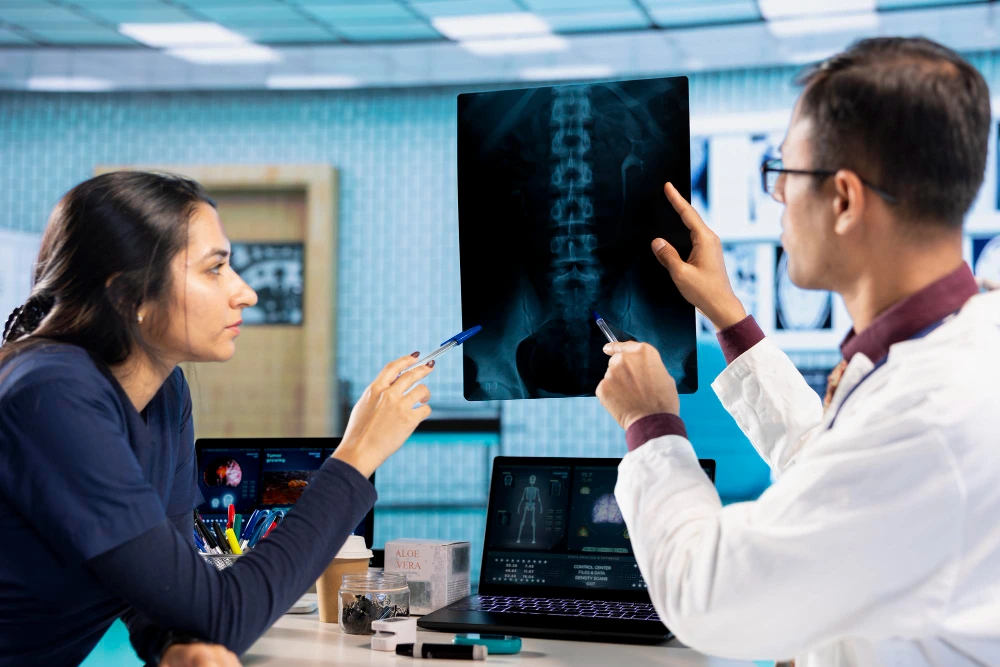
Bone Density Test in Calicut: A Complete Guide to DEXA Scans, Cost and Benefits
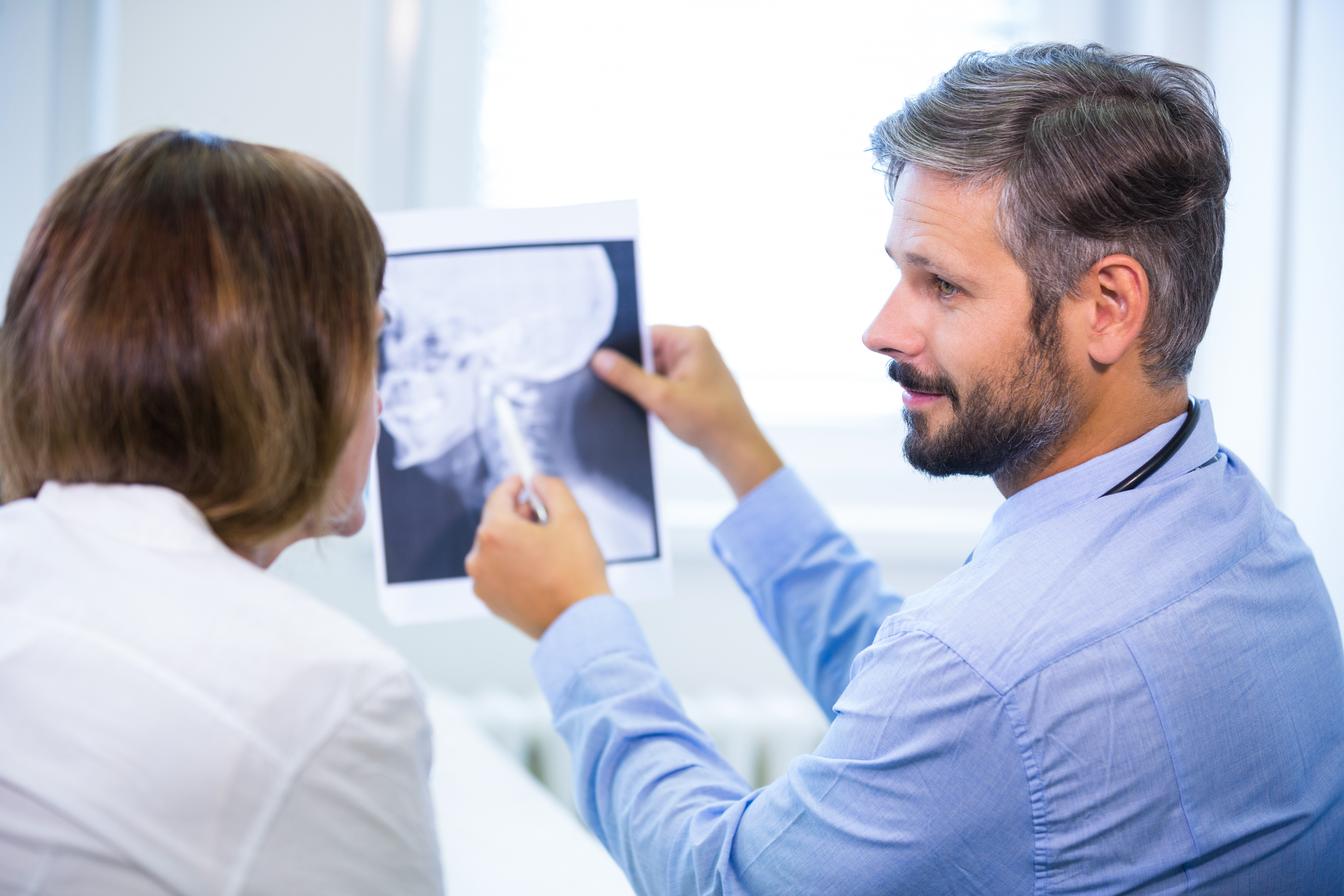
Bone health is easy to overlook because bone loss often does not cause noticeable symptoms in its early stages. If you have been advised to undergo a bone density test in Calicut, Your Center, a diagnostic centre in Calicut, can be one of the local options to consider when arranging a bone mineral density assessment. A commonly used method is a DXA or DEXA scan, which measures bone mineral density and can help healthcare professionals assess osteoporosis and fracture risk.
But who actually needs a bone density test? Is a DEXA scan painful? How should you prepare? What does the result mean? And how much does a DEXA scan cost in Calicut?
Here explains the process in simple terms so you know what to expect before arranging a bone density scan in Kozhikode.
What Is a Bone Density Test?
A bone density test measures bone mineral density (BMD) to provide information about bone strength. The most widely used method is DXA (Dual-Energy X-ray Absorptiometry), which commonly measures the hip and lower spine using a very small amount of X-ray radiation.
DXA is a non-invasive examination used to help identify low bone density and osteoporosis in appropriate patients. It can also contribute to fracture-risk assessment and may be used for monitoring when follow-up testing is clinically appropriate.
Why Do Doctors Recommend a Bone Density Test?
Bones are living tissue. They continuously undergo a process in which old bone is removed and new bone is formed. As people age, or when certain medical conditions or medications affect bone health, bone loss can become greater than bone formation.
The problem is that reduced bone density usually does not produce obvious warning signs.
A person may feel completely well while their bone density is decreasing. In some cases, the first indication of osteoporosis may be a fracture following a relatively minor fall or injury.
A bone mineral density test provides an objective measurement that can help a healthcare professional understand the condition of the bones.
It is important to remember that BMD is only one part of fracture-risk assessment. Age, previous fractures, medications, medical conditions and other factors may also influence risk.
What Is a DEXA or DXA Scan?
DEXA and DXA refer to the same type of bone density examination. The full term is Dual-Energy X-ray Absorptiometry.
During the examination, the DXA system uses two X-ray energy levels to measure bone mineral content. The information is then used to calculate bone mineral density.
The examination commonly focuses on the:
- Hip
- Lumbar spine
These areas are important for osteoporosis assessment and are standard sites for central DXA testing.
Is a DEXA scan an ordinary X-ray?
It uses X-ray technology, but it is specifically designed for measuring bone mineral density.
A DXA scan uses a very low dose of ionising radiation and is generally considered a quick, non-invasive examination.
Is DEXA the same as a bone scan?
No.
A DXA bone density test and a nuclear medicine bone scan are different examinations.
DXA measures bone mineral density. A nuclear medicine bone scan uses a radiotracer to evaluate bone activity and certain abnormalities.
Therefore, if your doctor has recommended a bone density test in Calicut, ask specifically for the examination that has been advised rather than assuming that every "bone scan" means a DXA test.
Who May Need a Bone Density Test?
A bone density test is not automatically required for everyone.
Your doctor or healthcare professional may recommend BMD testing depending on your age, sex, medical history, fracture history, medications and other risk factors.
Groups that may be considered for testing include:
Older women and men
ISCD recommendations include BMD testing for women aged 65 and older and men aged 70 and older. Younger postmenopausal women and men under 70 may also need testing when they have relevant risk factors.
People with a previous fragility fracture
A fracture resulting from relatively low-impact trauma can be an important warning sign of reduced bone strength.
People with osteoporosis risk factors
Risk can be influenced by factors such as low body weight, previous fractures, certain diseases and medications associated with bone loss.
People taking long-term glucocorticoids
Some medications, particularly prolonged glucocorticoid use, can contribute to bone loss. A healthcare professional may recommend BMD testing depending on the medication, dose, duration and individual risk.
People undergoing osteoporosis treatment
DXA may also be used for follow-up when measuring changes in BMD could influence clinical management.
The important point: You should not decide that you need a DEXA scan based only on your age or an online checklist. A healthcare professional should determine whether testing is appropriate for you.
What Should You Do Before a DEXA Scan?
One reason DXA testing is convenient is that it generally requires little preparation.
However, the exact instructions can vary between diagnostic centres.
Before your appointment
Generally, you should:
- Wear loose and comfortable clothing.
- Avoid clothing containing metal around the examination area.
- Remove jewellery and other metal objects that could interfere with the scan.
- Tell the diagnostic centre if you may be pregnant.
- Inform the technologist or doctor about recent barium examinations.
- Inform them if you recently received contrast material for a CT examination or a radioisotope examination.
- Follow the centre's instructions regarding calcium supplements.
RadiologyInfo advises patients not to take calcium supplements for at least 24 hours before a DXA examination and notes that recent contrast or barium examinations may affect when the DXA can be performed.
Do you need to fast?
Usually, special fasting is not required for a DXA scan. You can generally eat normally unless the diagnostic centre gives you different instructions.
If you are unsure about medication, supplements or preparation, contact the centre before your appointment rather than guessing.
What Happens During a Bone Density Test?
Knowing what happens beforehand can make the examination feel much easier.
Step 1: Registration
At the diagnostic centre, your basic information and relevant medical details may be recorded.
You may be asked about:
- Previous fractures
- Current medications
- Previous bone density tests
- Relevant medical conditions
- Previous imaging examinations
Step 2: Positioning
You will generally lie on the examination table.
The technologist positions you appropriately for scanning of the required body areas.
Step 3: Scanning
The DXA system scans the selected areas, commonly the hip and lumbar spine.
You will need to remain still while the images and measurements are obtained.
Step 4: Reporting
After the examination, the images and measurements are reviewed and a report is prepared by the appropriate qualified professional.
The report may include:
- Bone mineral density values
- T-scores
- Z-scores
- Information about the examined sites
Is the test painful?
A DXA scan is generally painless and non-invasive. It does not normally require an injection.
Note for Your Center: Add the actual examination duration only after confirming the centre's current workflow.
Bone Density Test Cost in Calicut: What Determines the Price?
"How much does a DEXA scan cost in Calicut?" is one of the first questions many patients ask.
The answer can vary between diagnostic centres.
The price may depend on:
- Type of DXA examination
- Body areas being assessed
- Equipment and facility
- Reporting services
- Whether additional assessments are included
- Current centre-specific pricing
Current DEXA Scan Cost at Your Center
To keep healthcare information accurate, the following details should be inserted only after confirmation from Your Center:
Current DEXA scan price: [INSERT VERIFIED PRICE]
Price includes: [INSERT VERIFIED DETAILS]
Appointment availability: [INSERT VERIFIED INFORMATION]
Centre location: [INSERT VERIFIED ADDRESS]
Patients should contact Your Center directly for the latest price and appointment information because diagnostic charges and availability can change.
Rather than choosing a centre based only on price, patients should also consider whether the required examination is available, how the test is performed and how the results are reported.
What Are the Benefits of a DEXA Scan?
A DEXA scan can provide useful information about bone health when testing is clinically indicated.
Measures bone mineral density
The primary purpose of DXA is to measure BMD at specific skeletal sites.
Helps identify low bone density
The results can indicate whether bone density is within an expected range or lower than expected.
Helps with osteoporosis assessment
In appropriate patient groups, DXA measurements can be used with established diagnostic criteria for osteoporosis.
Contributes to fracture-risk assessment
Bone density is an important factor in assessing fracture risk, but it should not be considered in isolation.
Can help monitor treatment
When there is a clear clinical reason for follow-up testing, serial BMD measurements can help assess changes over time and treatment response.
A DEXA scan does not guarantee that a person will or will not experience a fracture. It is one component of a broader clinical assessment.
How to Read a DEXA Result
Receiving a DEXA report can sometimes be confusing because it contains numbers that may not be familiar.
Two terms you may see are T-score and Z-score.
What is a T-score?
A T-score compares a person's measured bone mineral density (BMD) with the average BMD of a healthy young-adult reference population. For postmenopausal women and men aged 50 and older, a T-score of −1.0 or above is generally considered normal, a score below −1.0 but above −2.5 indicates low bone mass, often called osteopenia, and a score of −2.5 or below may meet the bone-density criterion for osteoporosis at appropriate measurement sites, subject to clinical assessment. A T-score should always be interpreted alongside the patient's age, medical history, fracture history and other risk factors by a qualified healthcare professional.
What is a Z-score?
A Z-score compares bone density with what is expected for people of a similar age and demographic characteristics.
For females before menopause and males younger than 50, ISCD recommends using Z-scores rather than T-scores for BMD reporting. A Z-score of −2.0 or lower is described as "below the expected range for age," while a score above −2.0 is considered "within the expected range for age."
Children and younger adults therefore require a different approach to interpretation. Do not diagnose osteoporosis based solely on a number from an online explanation.
If you receive a DEXA report, discuss the result with your doctor or another appropriately qualified healthcare professional.
Why Choose Your Center for a Bone Density Test in Calicut?
Your Center provides [INSERT VERIFIED DESCRIPTION OF DIAGNOSTIC SERVICES].
For patients considering a bone density testing centre in Calicut, useful factors to check include:
- Whether DXA/BMD testing is available
- Whether the relevant examination is performed at the centre
- The qualifications of the professionals involved
- How the scan is reported
- Whether appointments are required
- What preparation instructions patients should follow
- Current examination pricing
- Location and accessibility
- How patients receive their reports
Only include the following after verification: equipment manufacturer/model, certifications or accreditations, radiologist qualifications, staff credentials, report turnaround time, exact location, patient facilities, and any patient testimonials or reviews.
If you are considering a DEXA scan in Calicut, contact Your Center to confirm the current price, preparation instructions and appointment availability before visiting.
Conclusion
Bone loss can happen without obvious symptoms, which is why appropriate assessment can be important for people at increased risk of osteoporosis.
A bone density test in Calicut, particularly a DXA scan when recommended by a healthcare professional, can provide valuable information about bone mineral density. It can help identify low bone density and osteoporosis in appropriate patients and contribute to a broader assessment of fracture risk.
The test itself is generally painless, non-invasive and requires relatively little preparation. Understanding your report is equally important, because T-scores and Z-scores need to be interpreted according to your age and clinical circumstances.
If your doctor has recommended a DEXA scan in Calicut, contact Your Center to confirm the current test availability, preparation instructions, appointment details and verified pricing before visiting.
FAQs
1. Is a bone density test the same as a DEXA scan?
A bone density test is used to measure bone mineral density (BMD), while DEXA or DXA is the commonly used technology for performing this test.
2. Is a DEXA scan safe?
DEXA uses a very small amount of X-ray radiation and is generally considered a safe examination when medically appropriate. If you are planning to have a DEXA scan at Your Center, inform the centre if pregnancy is possible or if you recently had a contrast or nuclear medicine examination.
3. Does a DEXA scan require an injection?
No. A standard DEXA scan is non-invasive and does not normally require an injection. You simply lie in the required position while the scanner measures bone density.
4. Can I eat before a bone density test?
In most cases, special fasting is not required. However, preparation instructions can vary. If you are booking a bone density test confirm the centre's current instructions, particularly regarding calcium supplements.
5. Should I stop taking calcium supplements before a DEXA scan?
Some DEXA preparation guidelines recommend avoiding calcium supplements for about 24 hours before the examination. If you are planning your scan at Your Center, follow the specific instructions provided by the centre rather than stopping any medication or supplement without appropriate guidance.
6. Who should consider an osteoporosis or bone density test?
A healthcare professional may recommend testing for people with factors such as older age, postmenopausal status, previous fragility fractures, certain medical conditions, or long-term use of medications that can affect bone health.
7. How often should I repeat a DEXA scan?
There is no single testing interval that applies to everyone. The timing of a repeat scan depends on factors such as the initial BMD result, age, fracture risk, treatment and the reason for monitoring. Your healthcare professional can recommend when repeat testing is appropriate.
8. Can younger people have a bone density test?
Yes. A DEXA scan may be recommended for younger adults or other age groups when there is a specific clinical reason. In younger individuals, Z-scores are generally more relevant than T-scores.
9. How much does a DEXA scan cost in Calicut?
The DEXA scan cost in Calicut can vary depending on the diagnostic centre, areas examined, reporting and other services included. For the latest price and available appointments, contact Your Center directly rather than relying on outdated online prices.
10. Where can I get a bone density test in Calicut?
If you are searching for a bone density testing centre in Calicut, you can check with Your Center about DEXA scan availability, current pricing, preparation instructions and appointment options before visiting.