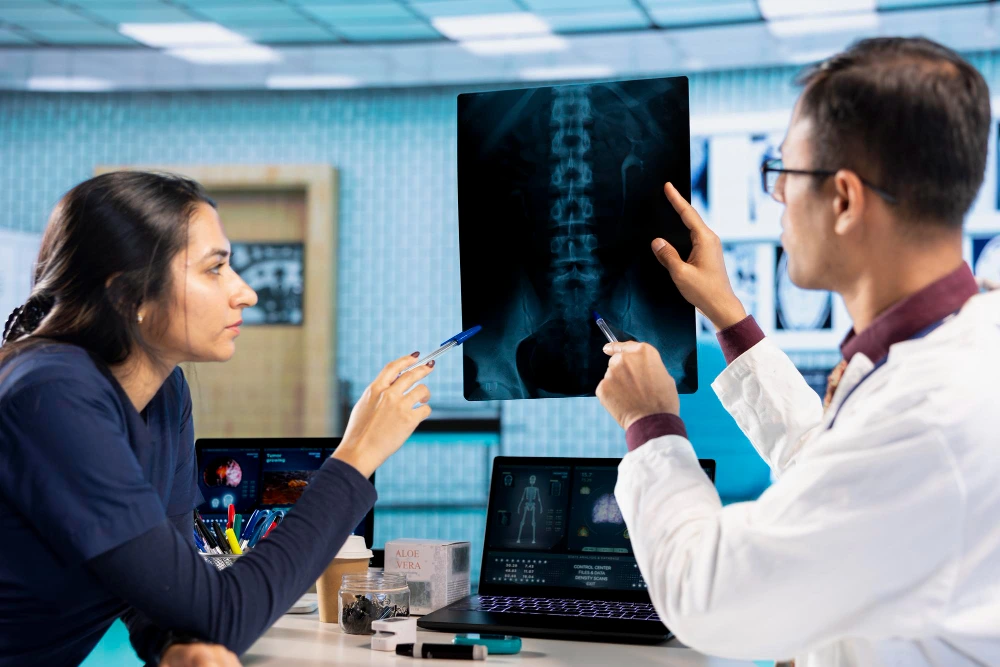
Latest CT Technology: Revolutionizing Diagnostic Imaging at Your Center
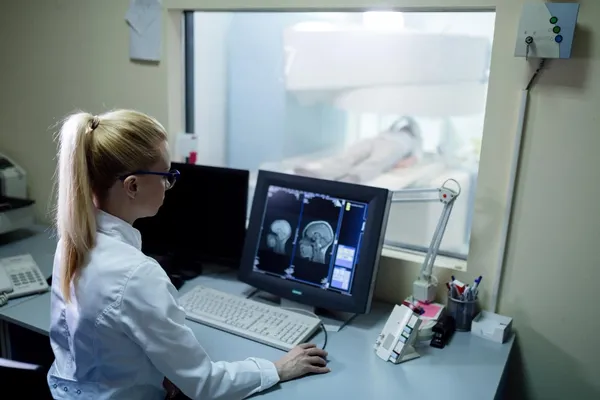
Computed tomography scanning is among the most powerful tools available as a medical diagnostic instrument today. Over the years, rapid technological advancement has enabled CT scans, which at the onset of their development comprised basic two-dimensional cross-sectional analyses, to currently support fast, highly detailed, and low-dose scans. As an entity at YourCenter, we utilize state-of-the-art CT scanning equipment designed to deliver faster scans, enhanced images, reduced exposure, and remarkably accurate results.
This paper evaluates the working paradigms behind modern CT devices, outlines its key advancements, and underlines the pivotal relevance of choosing an imaging center possessing the latest facilities from among various options to ensure better patient care.
Understanding CT Scan Technology
A computed tomography scan, also known as a CT scan, uses advanced X-rays in combination with advanced computer processing techniques to generate cross-sectional pictures of the body. The technique is quite different from the standard X-rays, as the standard X-rays produce only one picture at a time, while the CT scan produces a series of pictures.
The latest models of CT scanners have undergone tremendous changes to provide faster, more accurate, and safer scan performance. This makes medical imaging with a CT scan a key modality in diagnosing patients with conditions like trauma, stroke, malignancies, respiratory diseases, infections, and vascular diseases.
Evolution of CT Scanning: From Conventional to Advanced Systems
Early CT scanners were slower, yielded limited image resolution, and subjected patients to higher radiation doses. The latest generation of CT scanners is engineered to surmount these limitations.
- Faster rotation speeds
- Multi-slice and multi-detector capabilities
- Advanced image reconstruction algorithms
- Dose optimization technologies
At YourCenter, our CT services are built around these modern innovations to ensure accurate diagnosis with enhanced patient safety.
Key Features of Latest CT Technology at Your Center
1. Multi-Slice & Multi-Detector CT Scanning
The latest CT systems use multi-slice technology, enabling the scanner to capture multiple image slices simultaneously during a single rotation. This allows
- Faster scan completion
- Higher image resolution
- Improved visualization of complex anatomical structures
Multi-detector CT (MDCT) is especially valuable in trauma cases, cardiac imaging, and angiography, where speed and precision are critical.
2. High-Speed Imaging for Faster Diagnosis
Modern CT scanners can complete full-body imaging in seconds. This high-speed capability is crucial for:
- Emergency and trauma patients
- Stroke evaluation
- Pediatric and elderly patients who may find it difficult to remain still
At YourCenter, fast CT scanning reduces patient discomfort while ensuring rapid diagnosis and treatment planning.
3. Low-Dose Radiation Technology
One of the most important advancements in CT imaging is radiation dose reduction. The latest CT technology uses intelligent dose modulation and optimized protocols to minimize radiation exposure without compromising image quality.
Benefits include:
- Enhanced patient safety
- Reduced cumulative radiation dose
- Safe imaging for follow-up and repeat scans when clinically required
YourCenter follows strict international radiation safety guidelines, ensuring every CT scan is performed responsibly.
4. Advanced Image Reconstruction & AI Assistance
Contemporary CT scanners utilize sophisticated reconstruction algorithms to augment image clarity and mitigate noise. Furthermore, certain systems incorporate AI-assisted image processing, which facilitates:
- Improve diagnostic confidence
- Highlight subtle abnormalities
- Support accurate interpretation by radiologists
This technology ensures that even minute details are captured clearly, supporting early detection of disease.
5. High-Resolution Imaging for Precise Diagnosis
The latest CT technology delivers exceptional spatial resolution, making it ideal for evaluating:
- Brain and neurological conditions
- Lung diseases with HRCT
- Abdominal and pelvic disorders
- Bone, joint, and spinal abnormalities
- Vascular conditions through CT angiography
At YourCenter, high-resolution imaging translates into clearer insights and more reliable reports for referring doctors.
Clinical Applications of Advanced CT Scanning
Emergency & Trauma Care
CT scanning is often the first-line investigation in trauma cases. High-speed, whole-body CT scans help detect internal bleeding, fractures, and organ injuries quickly, enabling immediate life-saving interventions.
Brain & Stroke Imaging
Advanced CT technology plays a vital role in stroke diagnosis. CT brain scans can rapidly identify hemorrhage, ischemic changes, and other neurological conditions, helping doctors initiate timely treatment.
Chest & Lung Imaging (HRCT)
High-resolution CT (HRCT) is essential for diagnosing lung infections, interstitial lung disease, tuberculosis, and other pulmonary conditions. The latest CT scanners provide sharp lung detail with optimized radiation doses.
Abdominal & Pelvic Evaluation
CT scans are widely used to assess the liver, pancreas, kidneys, intestines, and pelvic organs. Contrast-enhanced CT studies provide valuable information for detecting tumors, inflammation, and vascular abnormalities.
CT Angiography
Advanced CT angiography allows noninvasive evaluation of blood vessels, including coronary arteries, cerebral vessels, and peripheral circulation. High-speed imaging ensures accurate visualization of blood flow and vessel structure.
Patient Comfort & Experience with Modern CT Technology
Latest CT systems are designed with patient comfort in mind:
- Shorter scan times reduce anxiety
- Wide gantry design improves comfort for claustrophobic patients
- Smooth table movement ensures a relaxed scanning experience
At YourCenter, our trained technologists guide patients through every step of the procedure, ensuring a calm and supportive environment.
Fast & Accurate Reporting: Completing the Diagnostic Cycle
Advanced technology alone is not enough. At YourCenter, CT imaging is supported by experienced radiologists and efficient reporting workflows. This ensures:
- Fast turnaround time for reports
- Clear, structured, and clinically relevant findings
- Priority reporting for emergency cases
Our commitment to accuracy ensures that clinicians receive reliable information when it matters most.
Why Choose YourCenter for Advanced CT Scanning?
- Latest generation CT technology
- High-speed, low-dose imaging protocols
- Experienced radiologists and technologists
- Fast and accurate reporting
- Patient-focused care and safety standards
- Trusted diagnostic partner for doctors
The Future of CT Imaging
CT technology continues to evolve with advancements in AI integration, ultra-low-dose imaging, and enhanced cardiac and functional imaging. YourCenter remains committed to staying at the forefront of diagnostic innovation, continually upgrading technology and expertise to provide the best possible care.
Conclusion
The latest CT technology has transformed diagnostic imaging by delivering faster scans, clearer images, and improved patient safety. At YourCenter, our advanced CT services combine cutting-edge equipment with expert interpretation to support accurate diagnosis and timely treatment.
Whether for emergency evaluation, routine investigation, or specialized imaging, choosing a center equipped with modern CT technology makes a significant difference. At YourCenter, we are proud to offer advanced CT scanning with precision, speed, and trust because every diagnosis deserves clarity.
Frequently Asked Questions (FAQ) – CT Scan
1. What is a CT scan?
A CT (computed tomography) scan is an advanced imaging test that uses X-rays and computer technology to create detailed cross-sectional images of the body. It helps doctors diagnose diseases, injuries, and internal conditions accurately.
2. How is a CT scan different from an X-ray?
Unlike a single-image X-ray, a CT scan provides multiple detailed image slices, allowing doctors to view organs, bones, blood vessels, and soft tissues clearly from different angles.
3. What makes your CT technology advanced?
YourCenter uses the latest generation multi-slice CT scanners with:
- High-speed image acquisition
- High-resolution imaging
- Low-dose radiation protocols
- Advanced image reconstruction for better accuracy
4. Is a CT scan safe?
Yes. CT scans are safe when performed under medical guidance. We follow strict radiation safety standards and use dose-optimized technology to minimize exposure while maintaining image quality.
5. Does a CT scan involve radiation?
Yes, CT scans use controlled X-ray radiation. However, modern CT technology significantly reduces radiation dose, making the procedure safer than older CT systems.
6. How long does a CT scan take?
Most CT scans take 5 to 15 minutes. Advanced scanners allow faster imaging, which is especially helpful for emergency, elderly, and pediatric patients.
7. When is a CT scan recommended?
CT scans are commonly used for:
- Brain and stroke evaluation
- Chest and lung diseases (HRCT)
- Abdominal and pelvic conditions
- Trauma and accident injuries
- Cancer detection and staging
- Blood vessel imaging (CT angiography)
8. What is a contrast CT scan?
A contrast-enhanced computed tomography (CT) scan utilizes a specialized contrast medium to augment the visualization of blood vessels and internal organs. This technique is instrumental in the clearer detection of neoplasms, infections, inflammatory processes, and various vascular pathologies.
9. Is fasting required before a CT scan?
Fasting may be required for contrast-enhanced CT scans, usually for 4 to 6 hours. Our staff will inform you about preparation instructions during appointment booking.
10. How soon will I get my CT scan report?
At YourCenter, we provide fast and accurate CT reports. Most reports are available within a short time, and emergency cases are prioritized.
11. Can CT scans be done for elderly patients?
Yes. CT scans are safe for elderly patients. Advanced CT technology allows faster scanning and reduced radiation exposure, ensuring comfort and safety.
12. Is a CT scan painful?
No. A CT scan is a painless and noninvasive procedure. You may feel a brief warm sensation if contrast is used, which is normal.
13. Can CT scans detect cancer?
CT scans are widely used to detect, evaluate, and stage cancers by identifying abnormal growths, tumors, and spread to nearby organs.
14. What should I inform you about before a CT scan?
Please inform our team if you have:
- Kidney problems
- Allergies to contrast dye
- Pregnancy
- Diabetes or other medical conditions
This ensures maximum safety during the scan.
15. Why choose YourCenter for CT scans?
- Latest CT technology
- Low-dose radiation imaging
- Fast scan and reporting
- Experienced radiologists
- Accurate and reliable results
- Patient-focused care