Mammography for Breast Cancer: How Early Detection Can Help
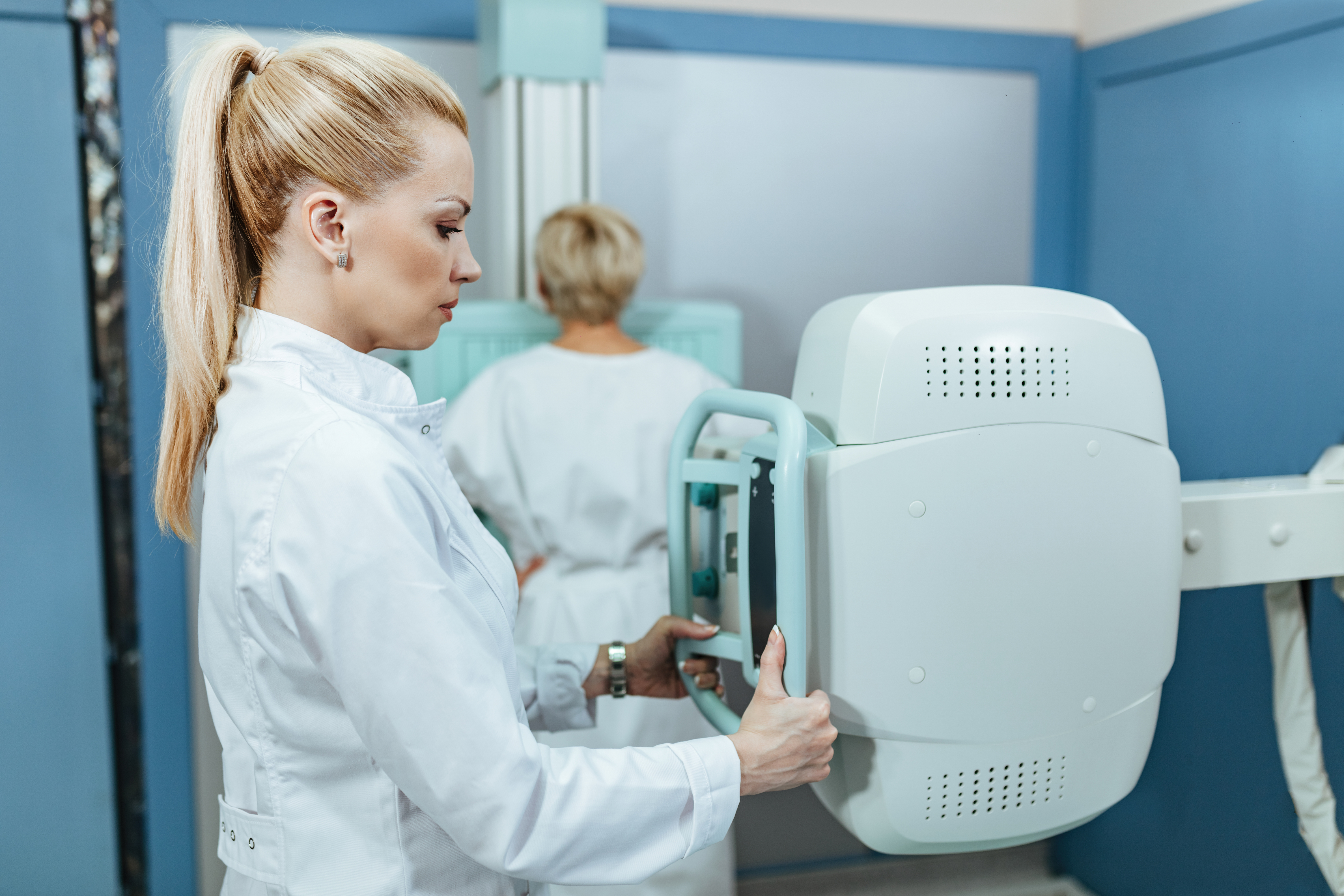
Breast cancer occurs when cells in breast tissue begin to grow abnormally, sometimes forming a lump or mass. It is one of the most common cancers affecting women worldwide, and finding it early gives doctors more options for timely evaluation and management. Mammography for breast cancer detection is one of the most widely used and well-studied breast imaging tools available today, and it plays a central role in breast cancer screening programs globally. At Your Center in Calicut/Kozhikode, Kerala, mammography and breast imaging services are available to help individuals take a proactive step toward breast health.
What Is Mammography?
Mammography is a specialized imaging technique that uses a small, controlled dose of X-ray radiation to create detailed pictures of the internal structure of the breast. During the test, the breast is briefly compressed between two plates so that the machine can capture clear, low-dose images of the breast tissue from different angles.
These images allow a radiologist to examine the breast tissue for anything that looks unusual, including changes in density, shape, or texture. Mammography is considered a foundational tool in breast imaging because it can reveal details that are not visible or noticeable through a physical exam alone.
How Does Mammography Help Detect Breast Cancer?
A mammogram for breast cancer screening works by capturing detailed images that a radiologist reviews for signs of abnormality. Some of the changes a mammogram may reveal include:
- Masses or lumps – areas of tissue that appear different in density from the surrounding breast tissue
- Calcifications – small calcium deposits that can sometimes be an early indicator worth further evaluation
- Areas of asymmetry or architectural distortion – changes in the normal pattern of breast tissue
One of the key strengths of mammography is that it can sometimes identify these changes before they are large enough to be felt during a self-exam or clinical exam. This is why mammography screening is often described as a tool for early detection of breast cancer, rather than a test used only after symptoms appear.
Why Is Early Detection Important?
Finding a potential abnormality earlier allows doctors to evaluate it sooner and plan appropriate next steps more promptly. In general, earlier evaluation of breast changes tends to allow for a wider range of options to be considered by the treating physician, and timely follow-up can support better-informed medical decisions.
It's important to understand that mammography is a screening and detection tool, it does not, by itself, confirm a diagnosis of cancer. An abnormal finding simply means further evaluation is needed, which may include additional imaging or a biopsy.
Who May Need a Mammogram?
Screening recommendations are not the same for everyone. They can vary based on:
- Age
- Personal medical history
- Family history of breast cancer or related conditions
- Overall breast cancer risk profile
Women considered to be at higher risk, for example, due to a strong family history or certain genetic factors, may be advised to follow a different or more frequent screening schedule, sometimes combined with other imaging tests. Because recommendations differ from person to person, it's best to discuss your individual screening needs with a qualified healthcare professional rather than relying on a general rule.
When Should You Consider Mammography?
There are two broad categories of mammography:
- Screening mammography – performed on a regular basis for individuals without symptoms, as part of routine breast health monitoring
- Diagnostic mammography – performed when there is a specific symptom or concern that needs closer evaluation
You may be advised to undergo a diagnostic mammogram if you notice:
- A new lump in the breast or underarm area
- A change in the shape or size of the breast
- Unusual nipple discharge
- Changes in the skin of the breast, such as dimpling or redness
- Changes in the nipple, such as inversion or scaling
Any new or persistent breast changes should be evaluated by a healthcare professional, regardless of your age or screening history.
Mammography vs Other Breast Imaging Tests
Mammography, ultrasound, and MRI each play a different role in breast imaging, and they are sometimes used together depending on individual circumstances.
Mammography
- Technology used: Low-dose X-ray
- Common use: Primary screening tool
- Best suited for: General population screening
- Radiation exposure: Low-dose X-ray
- Typical duration: 15–20 minutes
Breast Ultrasound
- Technology used: Sound waves
- Common use: Evaluating a specific area or used in addition to mammography
- Best suited for: Distinguishing solid masses from fluid-filled cysts; useful for dense breast tissue
- Radiation exposure: None
- Typical duration: 15–30 minutes
Breast MRI
- Technology used: Magnetic fields and radio waves
- Common use: Specific situations, such as higher-risk screening or further evaluation
- Best suited for: Detailed evaluation of selected high-risk cases or complex findings
- Radiation exposure: None
- Typical duration: 30–45 minutes
Benefits of Mammography for Early Detection
- May identify suspicious changes before they can be felt
- Supports timely medical evaluation of breast health
- Helps doctors plan appropriate follow-up steps
- Contributes to ongoing monitoring of breast tissue over time, especially when past images are available for comparison
Mammography at Your Center
Your Center offers mammography and breast imaging services for individuals in Calicut/Kozhikode, Kerala, seeking routine screening or evaluation of specific breast-related concerns. Appointments can typically be scheduled by contacting the center directly or through its website, and patients are encouraged to bring along any prior imaging reports for comparison. For specific details about facilities, reporting timelines, and patient support services, please refer to Your Center's official website or speak with the center's staff directly.
Key Takeaways
- Mammography is a low-dose X-ray test used to examine breast tissue for abnormalities.
- It can sometimes detect changes before symptoms appear, supporting early detection of breast cancer.
- Screening mammography is for individuals without symptoms; diagnostic mammography is used to evaluate specific concerns.
- An abnormal result does not confirm cancer — it usually calls for further evaluation.
- Screening needs vary by age, risk factors, and personal/family history, so individualized medical guidance matters.
- Mammography, ultrasound, and MRI serve different but sometimes complementary purposes in breast imaging.
Conclusion
Mammography remains one of the most valuable tools available for the early detection of breast cancer, offering a way to examine breast tissue for changes that may not yet be noticeable through touch or symptoms. Because screening needs differ from person to person, it's important to discuss your individual risk factors and screening schedule with a qualified healthcare professional. If you're in Calicut/Kozhikode, Kerala, and would like to learn more about mammography or breast imaging options, feel free to reach out to Your Center for information or to schedule an appointment.
FAQs
What is mammography used for?
Mammography is used to examine breast tissue for abnormalities such as lumps, masses, or calcifications, both for routine screening and for evaluating specific symptoms.
Can mammography detect breast cancer early?
Yes, mammography can sometimes detect changes in breast tissue before they can be felt, which is why it is widely used as an early detection tool. However, it is a screening test and not a definitive diagnosis on its own.
Does Your Center offer both screening and diagnostic mammography?
Yes, Your Center offers both screening mammography for routine checks and diagnostic mammography for evaluating specific breast concerns, depending on individual patient needs.
How long does a mammogram take?
The full appointment generally takes about 15–20 minutes, although the actual image capture for each view lasts only a few seconds.
Is mammography safe?
Mammography uses a low dose of X-ray radiation and is generally considered safe when used according to standard screening guidelines, though it is not entirely without any risk.
What is the difference between screening and diagnostic mammography?
Screening mammography is performed regularly for people without symptoms, while diagnostic mammography is used to evaluate a specific concern, such as a lump or breast change.
Does an abnormal mammogram mean cancer?
No. An abnormal result simply means further evaluation is needed. Many abnormal findings turn out to be non-cancerous after additional testing.
Can younger women have a mammogram?
Mammography can be performed on younger women in certain situations, particularly if there are specific symptoms or risk factors, but screening schedules for younger women are usually determined individually with a doctor.
When should I consult a doctor about breast changes?
Any new lump, change in breast shape or size, nipple discharge, or skin changes should be evaluated by a healthcare professional promptly, regardless of age.
How can I book a mammogram appointment at Your Center?
Appointments for mammography at Your Center can typically be scheduled by contacting the center directly or through its website. Patients are encouraged to bring along any prior imaging reports for comparison.