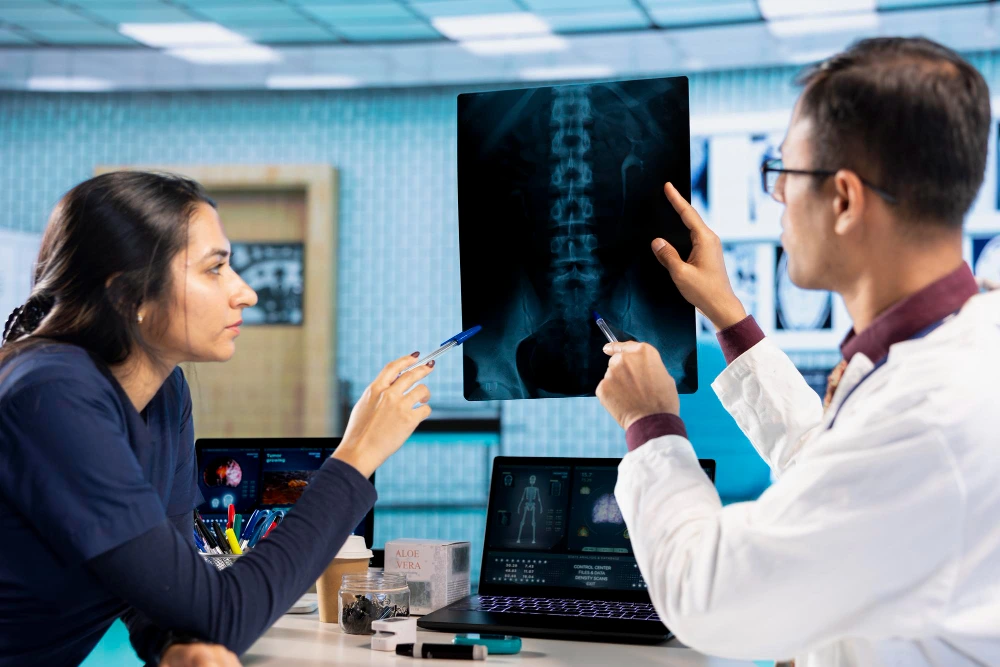
Best CT Scan in Calicut: Complete Guide to Types, Uses, Preparation and Benefits
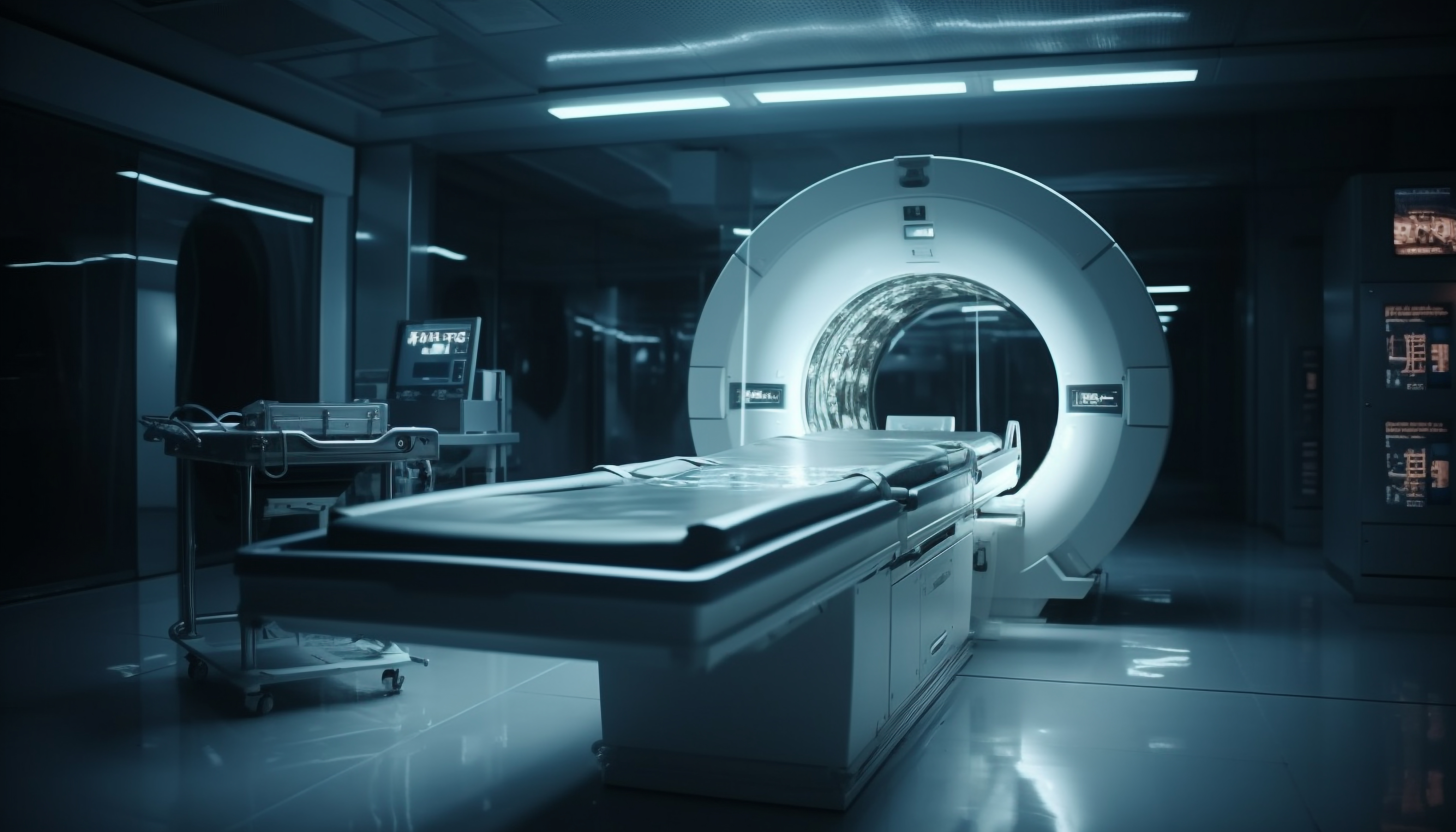
Looking for the best CT scan in Calicut? At Your Center, we understand that a doctor recommending a CT scan can bring up a lot of questions, what exactly is the test, how should you prepare, and what will it reveal about your health? This complete guide walks you through everything you need to know about CT scans, from the different types available to how you can prepare for a smooth, stress-free experience at Your Center.
What Is a CT Scan?
A CT scan is an imaging examination that combines X-ray technology with computer processing to create detailed images of structures inside the body. Unlike a standard X-ray, which produces a single or limited view, CT produces multiple cross-sectional images, often called slices.
These images can be viewed individually or reconstructed in different planes. CT can provide detailed information about organs, bones, soft tissues, blood vessels, and other internal structures.
Depending on the clinical situation, a CT scan may help doctors identify injuries, bleeding, infections, abnormal growths, stones, or other changes that may require further evaluation.
When Do Doctors Recommend a CT Scan?
A CT scan may be recommended when a doctor needs detailed images of internal structures to investigate symptoms, evaluate an injury, or understand a suspected medical condition. It can provide more information than a standard X-ray in many situations.
Common situations in which a CT scan may be used include:
- Head injuries and neurological symptoms: CT can help assess certain head injuries, bleeding, stroke-related concerns, and other changes affecting the brain or skull.
- Chest and lung evaluation: It may be used to examine the lungs, airways, blood vessels, and other structures within the chest.
- Abdominal pain or pelvic symptoms: CT can help evaluate organs and tissues in the abdomen and pelvis.
- Bone and joint injuries: It provides detailed images of complex bones and may help identify certain fractures or structural abnormalities.
- Suspected internal bleeding: CT may be used during emergency or trauma assessment to look for bleeding or internal injuries.
- Abnormal masses or growths: It can help identify the location and size of certain masses and support further evaluation.
- Kidney or urinary stones: CT may be recommended to detect and assess stones in the urinary system.
- Infections and inflammation: In selected cases, CT can help identify changes associated with infection or inflammatory conditions.
- Treatment planning and follow-up: Doctors may use CT images to plan procedures or monitor changes over time when clinically appropriate.
A CT scan is not required for every symptom or condition. The doctor will decide whether it is appropriate based on the patient's symptoms, medical history, examination findings, and the specific information needed for diagnosis or treatment.
Types of CT Scans Available
The appropriate CT scan types depend on the body part being examined and the clinical question.
CT Brain or Head Scan
A CT brain scan produces detailed images of the head and brain region. It may be recommended for certain head injuries, sudden neurological symptoms, bleeding, or other conditions requiring evaluation.
CT Chest Scan
A chest CT provides detailed images of the lungs, airways, blood vessels, and other structures within the chest. It may be recommended for certain lung and chest conditions.
CT Abdomen Scan
This scan focuses on structures within the abdomen and may be used to evaluate abdominal pain, suspected stones, infections, masses, or other conditions.
CT Pelvis Scan
A pelvic CT examines structures within the pelvic region and may be recommended depending on symptoms and the suspected condition.
CT Abdomen and Pelvis Scan
When both regions need to be evaluated, doctors may recommend a combined abdomen and pelvis CT.
CT Sinus Scan
A sinus CT provides detailed images of the sinus areas and may be recommended for selected sinus-related conditions.
CT Spine Scan
CT imaging of the spine can provide detailed views of the vertebrae and may be useful for evaluating certain injuries or bone-related abnormalities.
CT Bone Scan
CT can provide detailed images of bones and is particularly useful for evaluating complex anatomical areas or certain injuries.
CT Angiography (CTA)
CT angiography uses CT imaging, usually with contrast material, to examine blood vessels. It may be recommended when the doctor needs detailed information about blood flow or vascular structures.
Contrast-Enhanced CT
Some CT examinations use contrast material to make specific organs, tissues, or blood vessels easier to distinguish on the images.
HRCT
High-Resolution CT (HRCT) is a specialized CT technique that provides detailed images of the lungs and may be recommended for specific lung-related conditions.
The exact scan type should be determined by a qualified doctor or radiology professional based on the patient's clinical requirement.
CT Scan With Contrast vs. Without Contrast
CT scans may be performed with or without contrast, depending on the area being examined and the information your doctor needs.
Contrast material helps certain organs, tissues, and blood vessels appear more clearly on the scan. For CT examinations, iodine-based contrast is commonly given through a vein. In some cases, oral contrast may also be used to improve the visibility of structures in the digestive system.
A non-contrast CT scan is completed without contrast material. It may be suitable for conditions where contrast is not required, such as certain types of head injuries, kidney stones, or bone-related evaluations.
A contrast-enhanced CT scan may be recommended when the doctor needs a clearer view of blood vessels, organs, soft tissues, infections, tumors, or other abnormalities.
Not every CT scan requires contrast. The decision depends on the body part being examined, the suspected condition, and the purpose of the scan.
Before undergoing a contrast-enhanced CT, inform the medical team if you have experienced a previous reaction to contrast, have allergies, kidney disease, thyroid problems, other medical conditions, or take regular medications. You should also tell them if you are pregnant or may be pregnant.
How to Prepare for a CT Scan
Your CT scan preparation will depend on the type of examination. Always follow the instructions given by your doctor and diagnostic center.
General preparation may include:
- Follow all instructions provided before the examination.
- Fasting may be required for certain examinations, particularly some contrast studies.
- Wear comfortable clothing.
- Remove jewelry or metal objects if instructed.
- Inform the medical team if you are pregnant or think you may be pregnant.
- Tell the staff about allergies, medications, kidney problems, or previous reactions to contrast material.
- Follow any specific instructions related to the body part being examined.
Do not assume that every CT scan requires fasting. Preparation requirements can vary depending on the examination.
What Happens During a CT Scan?
A typical CT examination may involve the following steps:
- Registration and preliminary checks: Your details, medical history, prescription, and examination requirements may be reviewed.
- Preparation: You may be asked to change into suitable clothing or remove certain objects.
- Positioning: You will lie on a CT table in the position required for the examination.
- Scanning: The table moves through the circular opening of the CT scanner while images are obtained.
- Staying still: You may be asked to remain still or briefly hold your breath during some scans.
- Contrast injection: If contrast is required, it may be administered before or during the scan.
- Completion: Once the required images have been obtained, the examination is completed and the images are processed for interpretation.
The experience and duration can vary depending on the type of CT scan. If contrast is injected, some patients may briefly experience warmth, flushing, or a metallic taste.
Advantages of CT Scans
When prescribed for the right medical reason, a CT scan can provide valuable information that supports accurate diagnosis and treatment decisions.
Clear and Detailed Imaging
CT scans create detailed cross-sectional images of the body, allowing doctors to examine organs, bones, soft tissues, blood vessels, and other internal structures more clearly.
Quick Examination Process
Compared with some other imaging tests, CT scans can be completed in a relatively short time. This makes them useful when doctors need information quickly.
Valuable for Emergency Care
CT imaging is often used in emergency and trauma situations because it can help detect internal bleeding, injuries, fractures, and other urgent conditions without significant delay.
Helps Guide Medical Decisions
The images produced by a CT scan can help doctors identify abnormalities, confirm or rule out suspected conditions, and decide whether further testing or treatment is needed.
Suitable for Multiple Body Regions
CT technology can be used to examine several areas of the body, including the brain, chest, abdomen, pelvis, spine, sinuses, bones, and blood vessels, depending on the patient's symptoms and medical requirements.
Useful for Follow-Up Evaluations
In some cases, doctors may recommend repeat CT scans to monitor the progress of a condition, evaluate treatment response, or observe changes over time.
Is a CT Scan Safe?
CT scans use X-rays, so they involve exposure to ionizing radiation. The amount of radiation varies depending on the examination, equipment, technique, and patient-related factors.
Doctors generally consider the expected medical benefit against the potential radiation risk when deciding whether a CT examination is appropriate. Imaging professionals also work to use the lowest radiation exposure needed to obtain diagnostically useful images.
CT should not be described as completely risk-free. However, when a scan is medically necessary, the information it provides can be important for diagnosis and treatment decisions.
If you are pregnant or may be pregnant, inform your doctor or the CT technologist before the examination so that your medical team can consider the appropriate approach.
CT Scan Cost in Calicut
If you are searching for CT Scan Cost in Calicut, it is important to understand that there is no single price for every CT examination.
The cost can vary depending on:
- The body part being scanned
- The type of CT examination
- Whether contrast material is required
- The complexity of the examination
- Additional clinical requirements
Therefore, it is better to confirm the current charges for your specific prescription rather than relying on a general online price.
For the latest information about CT scan services and applicable charges at Your Center, patients can contact the center directly before scheduling their examination.
Why Consider Your Center for a CT Scan in Calicut?
- Advanced CT technology – Modern scanners that deliver high-resolution, accurate imaging while minimizing radiation exposure
- Experienced radiologists – Skilled specialists who interpret scans with precision, reducing chances of misdiagnosis
- Wide range of CT scans – From plain and contrast scans to CT angiography, HRCT, and whole-body imaging, all under one roof
- Quick appointment scheduling – Minimal waiting time, including options for urgent and emergency scans
- Fast report turnaround – Reports typically delivered within a few hours to a day, so treatment can begin sooner
- Patient-friendly environment – A calm, comfortable setting designed to ease anxiety before and during the procedure
- Trained technical staff – Experienced technicians who guide patients through preparation and the scanning process
- Strict safety protocols – Adherence to radiation safety standards and contrast dye precautions for at-risk patients
- Coordinated care – Seamless report sharing and follow-up coordination with your referring doctor
- Transparent pricing – Clear, upfront costs with no hidden charges
- Convenient location in Calicut – Easy accessibility for patients across the city and surrounding areas
When Should You Consult a Doctor?
A CT scan should generally be performed when there is an appropriate medical indication or when recommended by a qualified healthcare professional. Self-booking a scan may not always be the best approach because different symptoms may require different imaging tests—or sometimes no imaging at all.
Seek urgent medical attention rather than relying on self-booking a scan if you experience serious symptoms such as:
- Severe or significant injury
- Sudden weakness, difficulty speaking, or other sudden neurological symptoms
- Severe breathing difficulty
- Suspected internal bleeding
- Severe or rapidly worsening symptoms
Your doctor can determine whether CT, MRI, ultrasound, X-ray, laboratory testing, or another evaluation is most appropriate.
Conclusion
A CT scan is an important diagnostic imaging tool that can provide detailed information about different parts of the body. From brain and chest imaging to abdominal, pelvic, sinus, spine, bone, and vascular examinations, different CT scan types are selected according to the patient's medical needs.
If you are looking for CT Scan in Calicut, understanding the preparation, contrast requirements, benefits, safety considerations, and expected costs can make the process easier. Your Center is available to assist patients with CT scan-related enquiries, appointment information, preparation guidance, and applicable charges.
If your doctor has recommended a CT scan, contact Your Center to discuss the required examination and schedule an appointment.
FAQ
How long does a CT scan take?
The time can vary depending on the body part, type of examination, and whether contrast is required. Some CT examinations are completed relatively quickly, while more complex studies may take longer.
Do all CT scans require contrast?
No. Some CT examinations are performed without contrast, while others may require contrast to improve visualization of particular structures. The decision depends on the clinical requirement.
Do I need to fast before a CT scan?
Not always. Fasting requirements depend on the type of CT examination and whether contrast or other preparation is required. Follow the instructions provided by your diagnostic center.
Is CT scan better than MRI?
CT and MRI are different imaging technologies and are useful for different clinical questions. Your doctor will recommend the examination that is most appropriate for your symptoms and the information needed.
What should I tell the CT scan staff before the examination?
Inform them about pregnancy or possible pregnancy, allergies, previous reactions to contrast material, kidney problems, medical conditions, and relevant medications.
How can I find the Best CT Scan in Calicut?
When looking for the Best CT Scan in Calicut, consider factors such as appropriate imaging services, clear preparation guidance, professional reporting, patient communication, convenience, and the suitability of the examination for your doctor's recommendation. It is also useful to confirm the current cost and appointment availability directly with the diagnostic center.